Monasteries in Tibet
Experience the Ancient Monasteries and Sacred Temples of Tibet
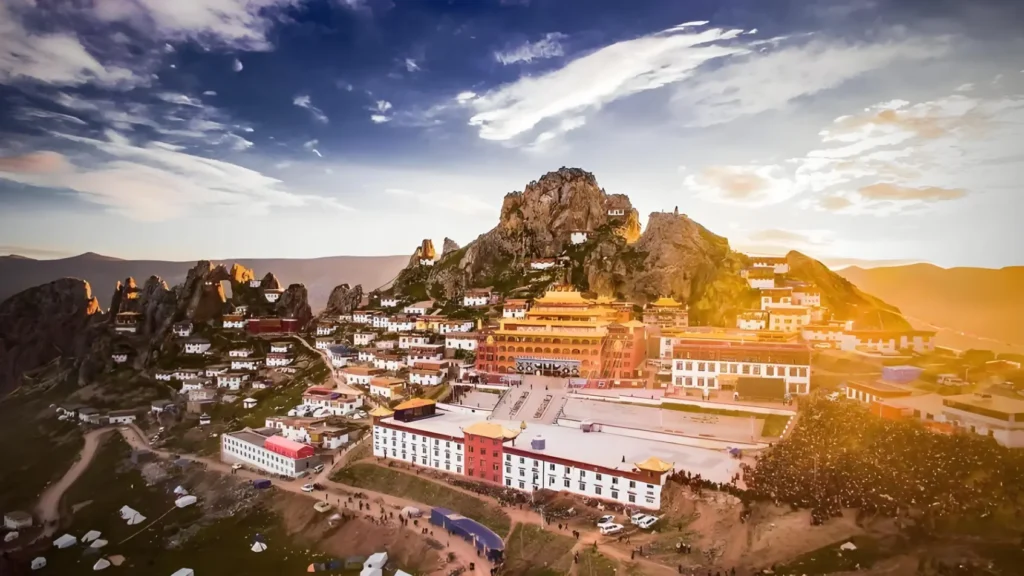
Traveling across the plateau means venturing into a land that is the sum of centuries of devout faith. So, what exactly are monasteries in Tibet? More than mere places of worship, traditional Tibetan Buddhist monasteries act as a university town, a repository of culture and an emblem of community. These age-old structures and their practicing communities provide an unparalleled gateway to a living history and a bucket-list adventure.
Whether your search is for a tranquil, isolated buddha temple in Tibet or you wish to discover magnificent marvels of architecture, a Tibetan monastery Tibet visit is bound to be unforgettable. The best temples in Tibet meld profound historical significance with spectacular art, highlighting why these hallowed sites continue to be a timeless rendezvous for all kinds of people.
Your itinerary would naturally start in Lhasa at the internationally renowned Jokhang Temple, widely considered the spiritual core of the region. Following this, you may attend the animated and passionate monastic debates at Sera Monastery or delve into the impressive grandeur of Drepung Monastery, which was once among the world’s largest religious centers.
As you journey further into the terrain, your path will lead you to several more astonishing destinations-the Tashilhunpo Monastery at Shigatse, the formidable, fortress-like Sakya Monastery in Tibet, or the serenely situated Rongbuk Monastery at the very base of the awe-inspiring Mount Everest. Whether you wander through vibrant city sanctuaries or brave rugged mountain routes, these sacred temples in Tibet welcome you to a cultural experience unlike any other.
Essential Directory of Tibetan Monasteries & Temples
Ever since traveler arrived in Tibet long time ago, there is a burning question, what is a monastery in Tibet except architectural phenomenon? Monasteries in Tibet is a vital, dynamic community where you can get to know what is a real buddhist monastery in tibet. And, based on this directory you are on, you will be able to find some famous temple in tibet among the gigantic Drepung Monastery, what we can say the biggest buddhist temple in Tibet historically, which you can experience the afternoon debate of Sera Monastery, and holy temple of Jokhang Temple in Lhasa. It is also known as, Jokhang monastery, or Jokhang temple monastery.
These monasteries have a great international fame; in addition to Norbulingka palace and grand Tashilhunpo Monastery next to it; Sakya monastery in tibet, its fortress-like buildings will give you another strong feeling when compared to the high-altitude Rongbuk monastery; the monasteries Tibet can offer will guard unique and age-old temples in tibet where are full of history of tibetan buddhism temple. It’s a guide for you to make an investigation of popular monastry in Tibet easily, helping you discover the most sacred buddhist monasteries Tibet has to offer.
1. Jokhang Temple
Considered the most sacred temple in tibet and one of the most venerated places of worship for Tibetan buddhism, Jokhang temple houses the incredibly holy Jowo Shakyamuni statue, believed to be the finest image of the Buddha in existence. Following the ritual Barkhor Street circuit around the temple alongside local pilgrims spinning their prayer wheels allows one to really feel the devotion associated with the Jokhang temple monastery. Sometimes called the Jokhang monastery Tibet, it is perhaps the most famous temple in Tibet and the most important and authentic place to visit in Lhasa.
2. Sera Monastery
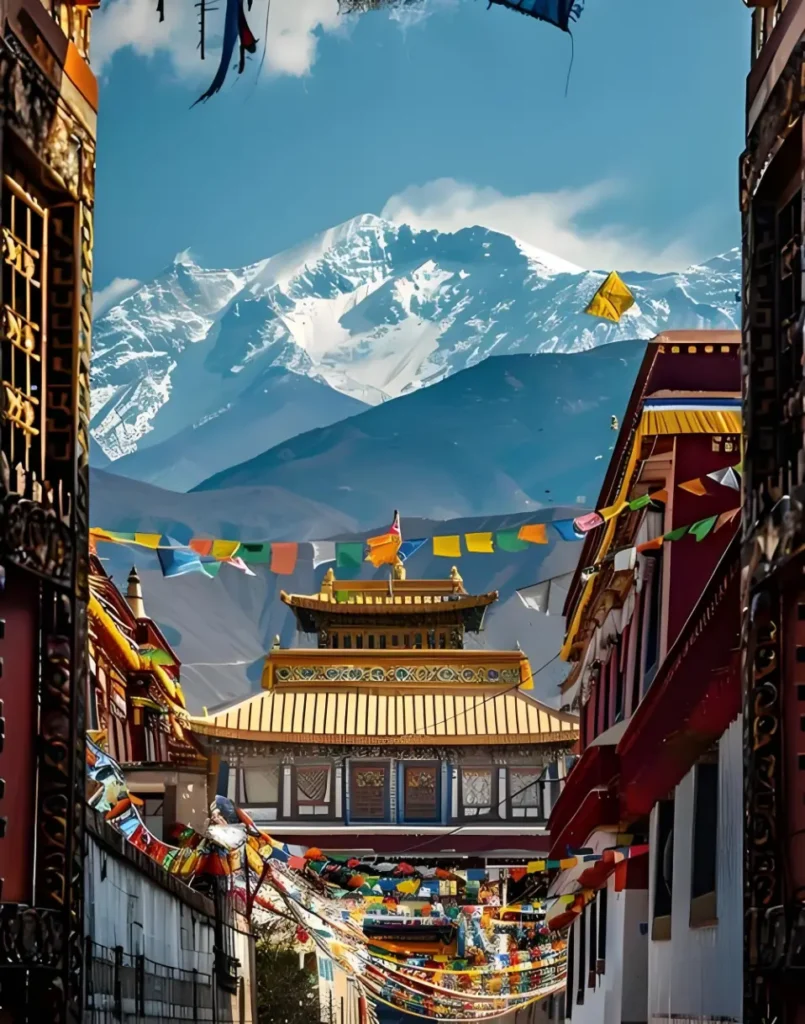
Established in the 15th century to the north of Lhasa, the Sera Monastery Tibet has gained worldwide fame for its intense and lively tradition of monastic debate. In the afternoons, you can find the monks fiercely engaged in physical dialogue within the monastery grounds, stamping their feet and clapping their hands to emphasize their logical points on Buddhist philosophy, making this a truly dynamic experience in any Buddhist temples in Tibet.
3. Drepung Monastery
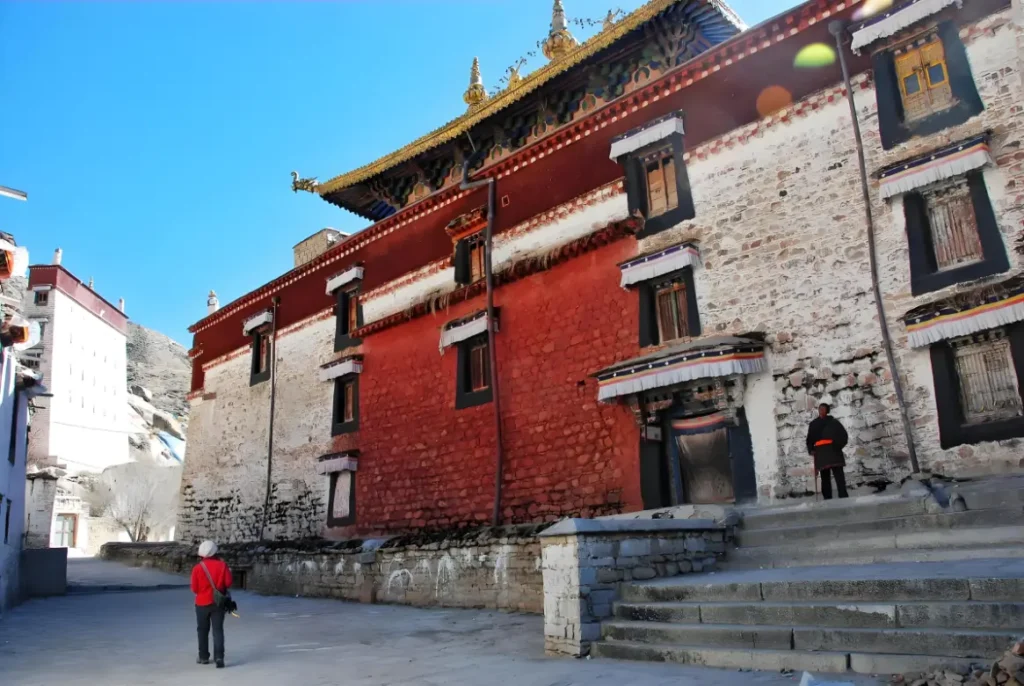
Once an impressive complex that was home to more than 10,000 monks, the Drepung Monastery was the largest Buddhist temple in Tibet and a focal point of spiritual education and study. Spread across the hilly landscape to the west of Lhasa, this vast Tibetan Buddhist temple is recognized for its stark white walls and seems more like a village when viewed from afar. Strolling through its expansive chanting halls and narrow cobblestone passageways will give you an incomparable sense of the monastery’s immense size.
4. Ganden Monastery
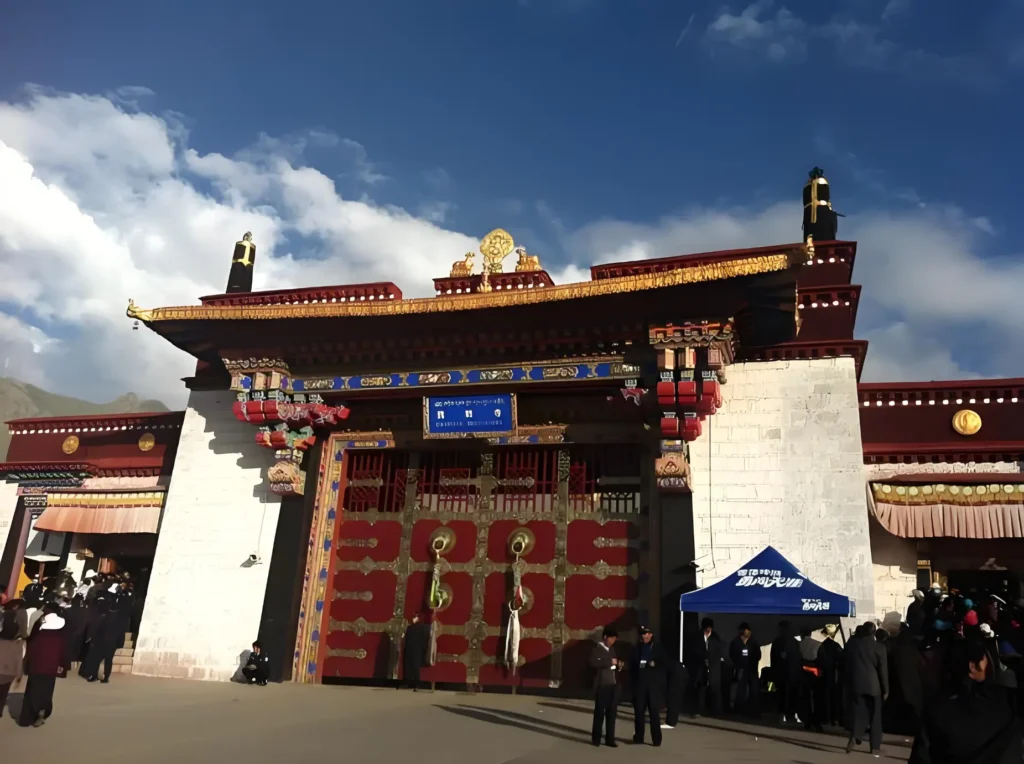
Situated dramatically high up on the ridges of Wangbur Mountain, the Ganden Monastery presents breathtaking panoramic views of the Lhasa River Valley below. Established by Tsongkhapa, the founder of the Gelug sect, this sacred Tibetan buddha temple holds immense spiritual importance. There is a beautiful trekking kora path circling the mountain ridge.
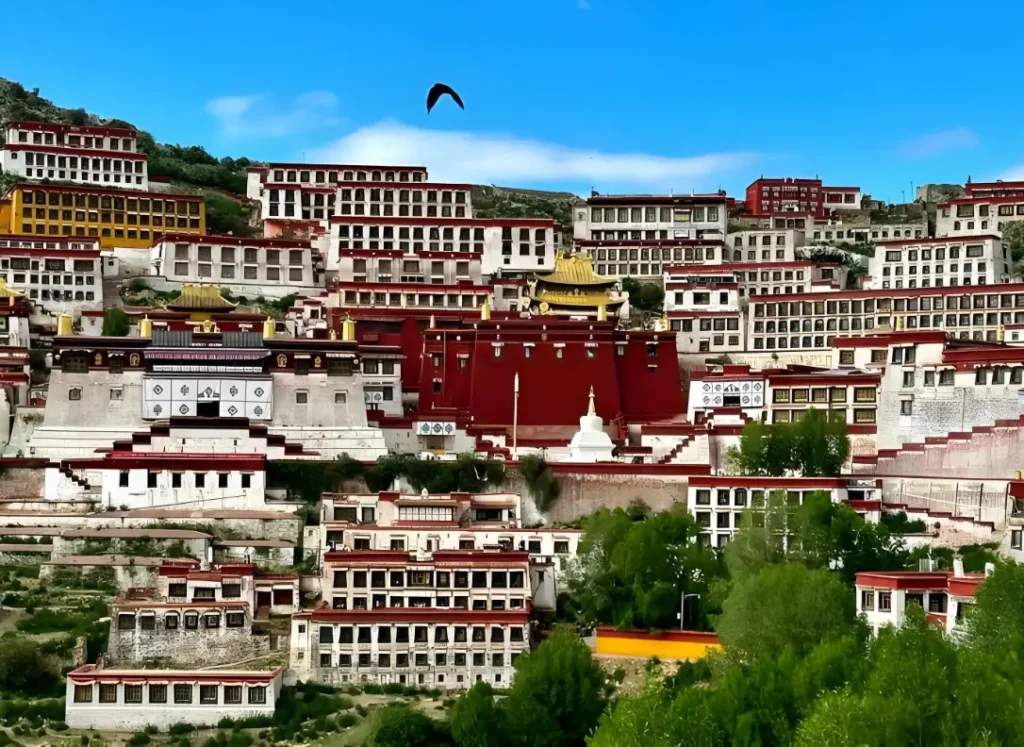
5. Tashilhunpo Monastery
Located at Shigatse, the Tashilhunpo Monastery is now one of the most important cultural complexes still in use on the Tibetan plateau.Founded in 1447, it is the traditional seat of the Panchen Lama. The monastery is well-known for housing the largest statue of the future Buddha Maitreya, a colossal 26-meter bronze sculpture that glitters with pure gold and valuable precious stones.
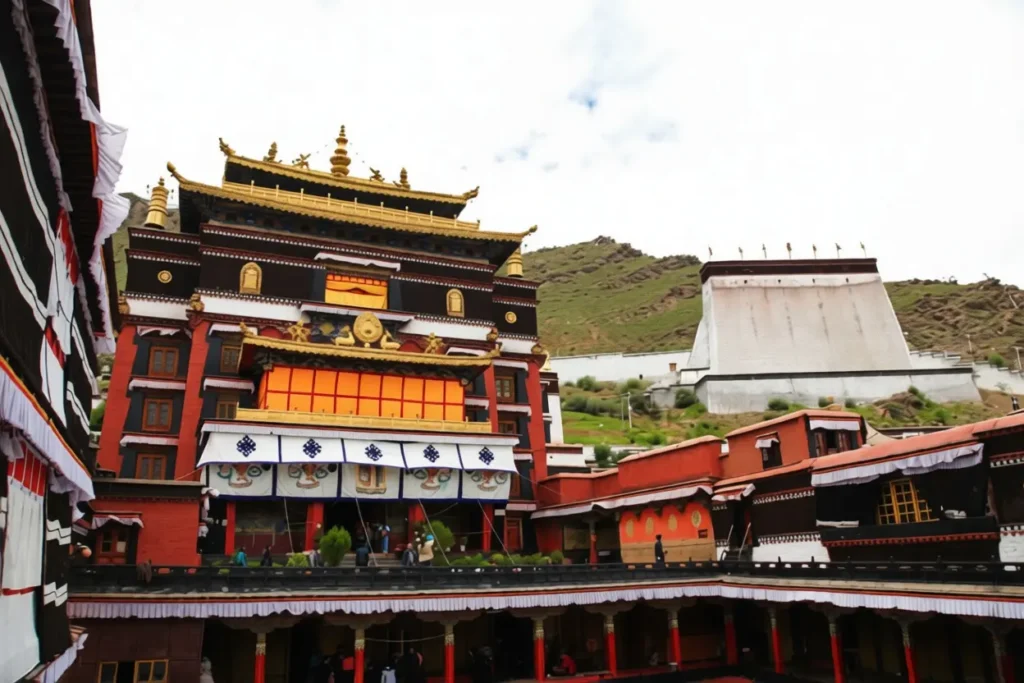
6. Sakya Monastery
In contrast to the iconic red and white walls of many Tibetan temples, the Sakya Monastery Tibet, stands proud in striking grey walls streaked with the same hues. Also known as the “Second Dunhuang” due to its wealth of cultural artifacts, this ancient Buddhist Monastery Tibet has been the guardian of a phenomenal collection of thousands of priceless historical documents, ancient golden-inked manuscripts and other religious artworks for many centuries.
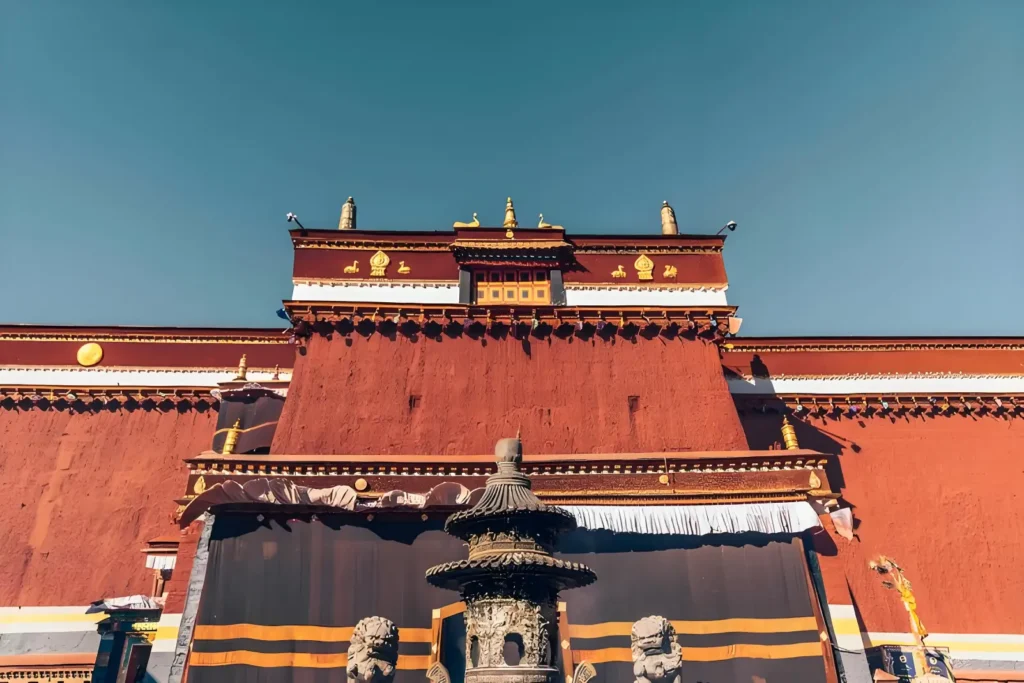
7. Pelkor Chode Monastery (Palcho Monastery & Baiju Temple)
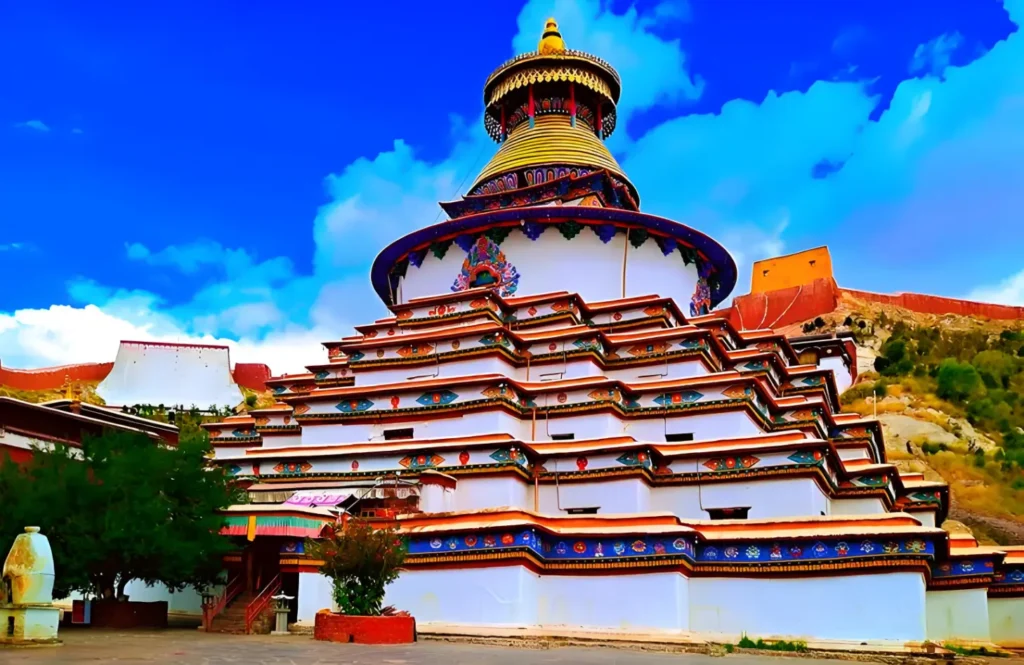
In Gyantse along the traditional Shigatse route is found the Pelkor Chode Monastery, often known as Palcho Monastery, which combines influences from various Tibetan Buddhist schools. Its most remarkable feature is the Gyantse Kumbum, an astonishing nine-storied stupa adorned with tens of thousands of incredible frescoes and Buddha images, housed in 108 individual shrines, making this a divine destination for art lovers and historians.
8. Rongbuk Monastery
The highest Buddhist Monastery Tibet in the world and the only monastery in Tibet built to accommodate both monks and nuns, the Rongbuk Monastery stands at an altitude of over 5,000 meters at the foot of Mount Everest. In striking contrast to the stark landscapes surrounding it, Rongbuk Monastery serves as a place of tranquil contemplation and on a clear day, a small white chorten at the site offers a breathtaking view of Mount Everest’s north face.
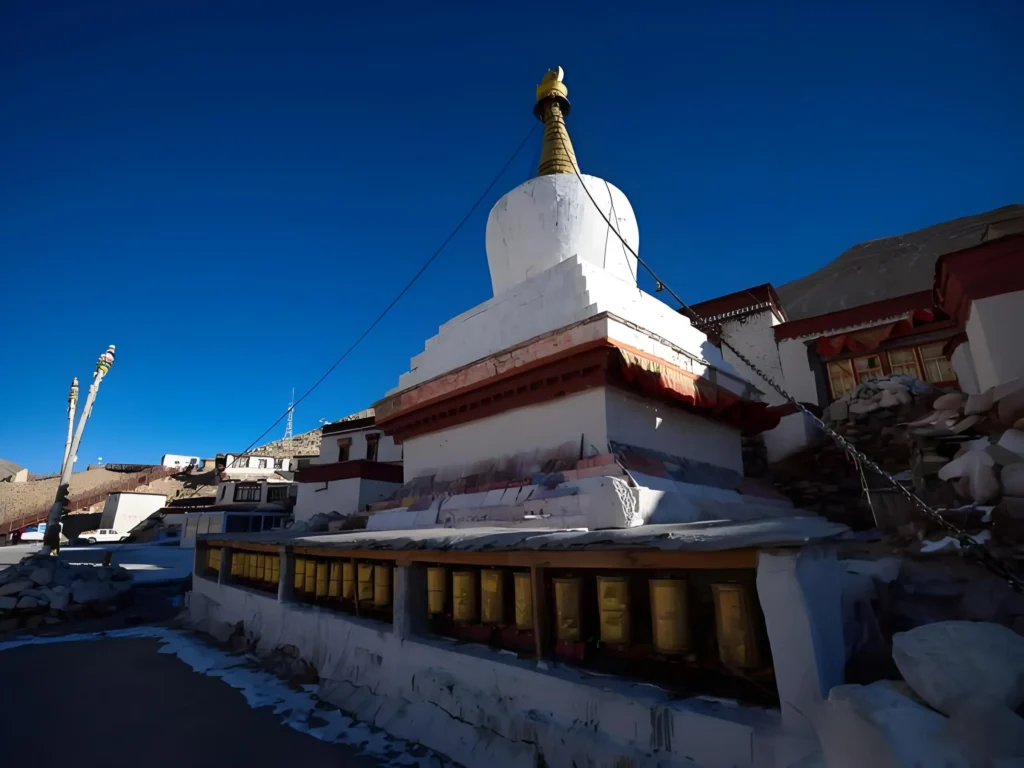
9. Tholing Monastery
Found in the remote Ali (Ngari) region, Tholing Monastery is one of Tibet’s oldest monasteries, with its construction dated to 996 AD. Previously the main center of spirituality and culture for the ancient Guge Kingdom, this monastery located within earth-forest terrain showcases beautiful frescoes in the Kashmiri style along with ancient structures that shed light onto Tibet’s glorious past.
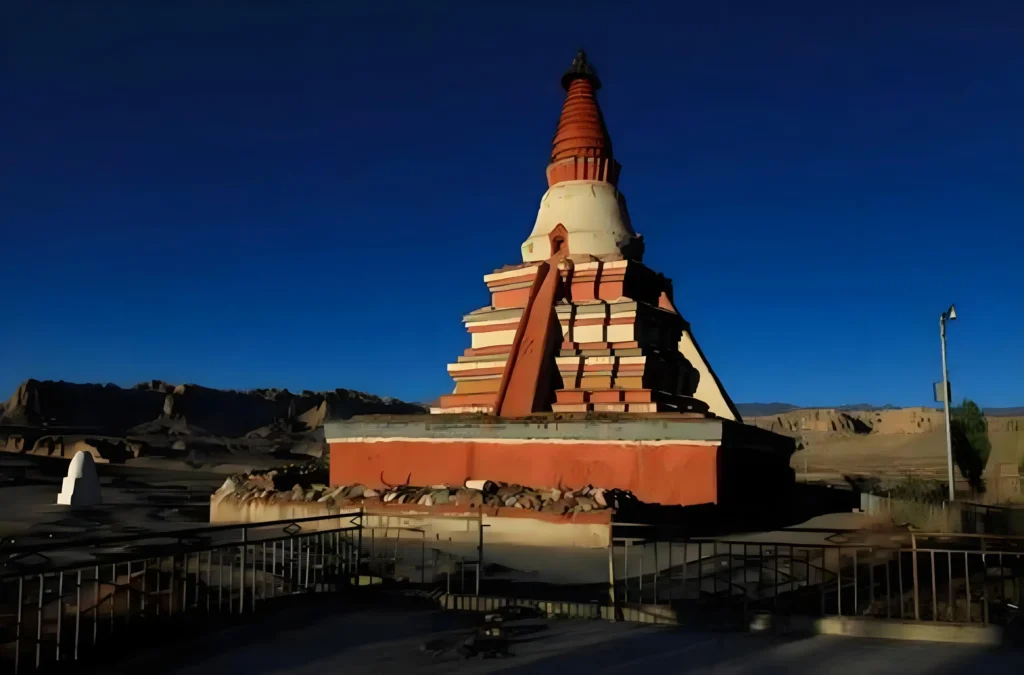
10. Tsurphu Monastery
Located in a peaceful valley just north of Lhasa, the Tsurphu Monastery has for many years been the historic residence of the Black Hat Karmapa lineage. The valley it rests in has a distinctly calm atmosphere, and the monastery is famous for the ancient practices for identifying reincarnated lineage holders that have profoundly influenced Tibetan society throughout its history.
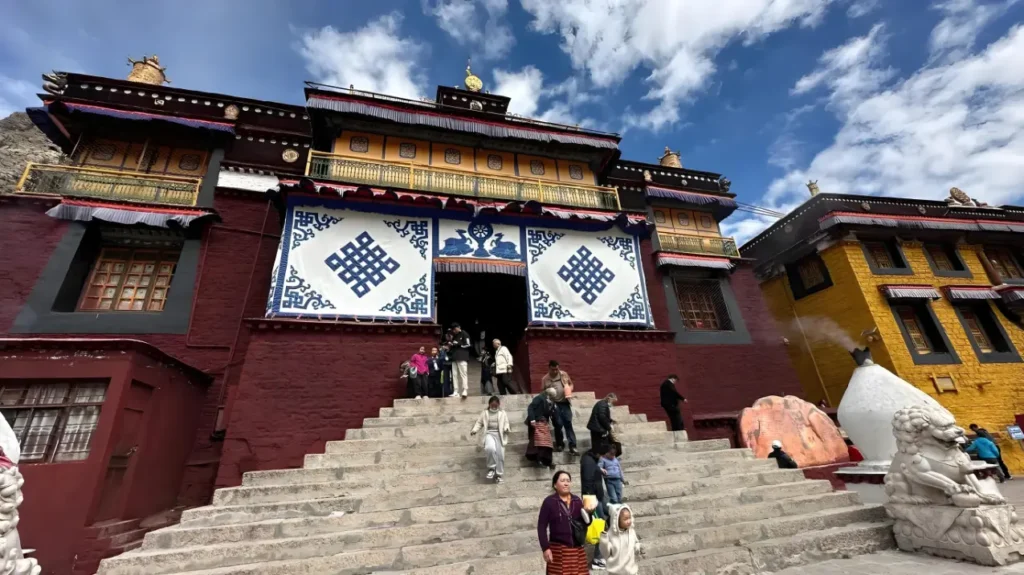
11. Tsozong Gongba Monastery
The Tsozong Gongba Monastery sits proudly on a small island in the middle of Basum Tso Lake which is a body of startlingly clear turquoise water in the Nyingchi area. Belonging to the Nyingma tradition, it’s a unique Tibetan Monastery Tibet site completely surrounded by woodland and water, perfect for visitors wanting a more gentle, lower-altitude glimpse of spiritual sites in Tibet.
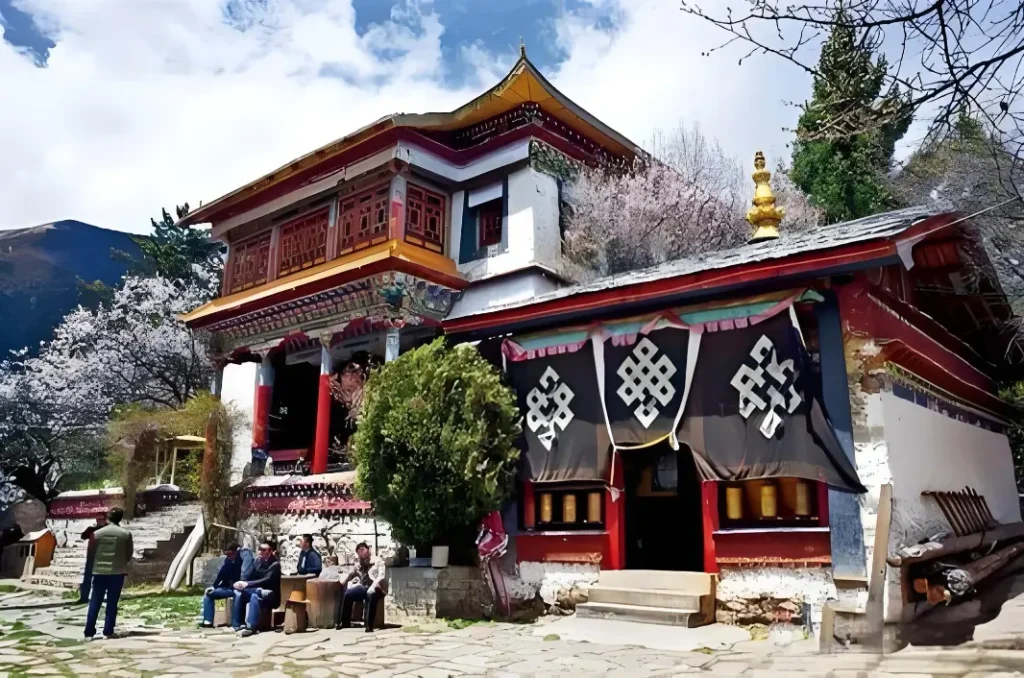
12. Drirapuk Monastery
A must-visit stop on the pilgrimage kora to the divine Mount Kailash in Ali, Drirapuk Monastery is a vital resting spot after the day’s intense first leg of trekking. Resting at the bank of the Lha-chu river, it offers unmatched, astounding views looking up at Kailash’s imposing north face.
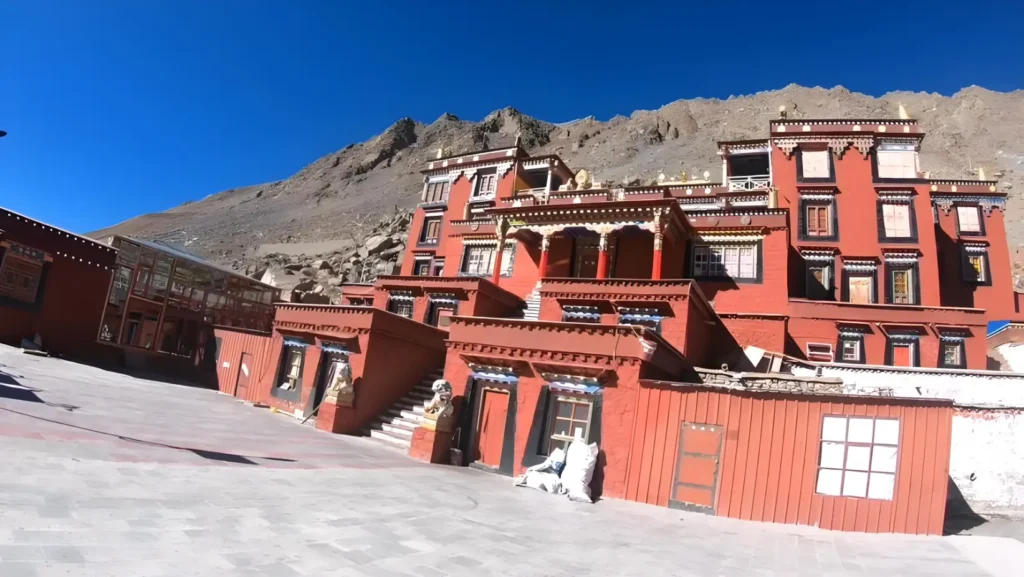
13. Zutulpuk Monastery
The last destination on the Mount Kailash kora is Zutulpuk Monastery, which is built directly around the meditation cave of Milarepa, the iconic 11th-century yogi and poet. This Tibetan Monastery Tibet destination is called the “Miracle Cave” and pilgrims pay tribute here to the imprint marks that are believed to have been made by Milarepa’s spiritual powers.
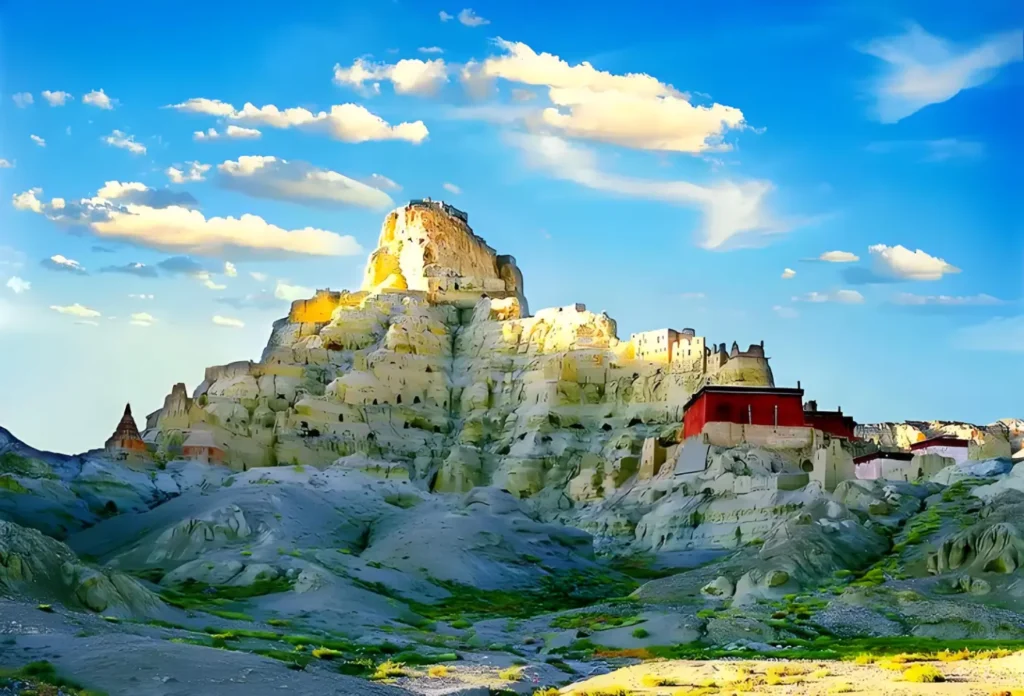
14. Shiazhulin Monastery
Tucked along routes in southern Tibet, the Shiazhulin Monastery is a less-visited gem that gives an intimate insight into devotion, hidden from the main tourist path. The monastery is revered by locals because of the exceedingly rare and ancient mummified body of a holy master that it preserves, and offers an intensely powerful and moving experience.
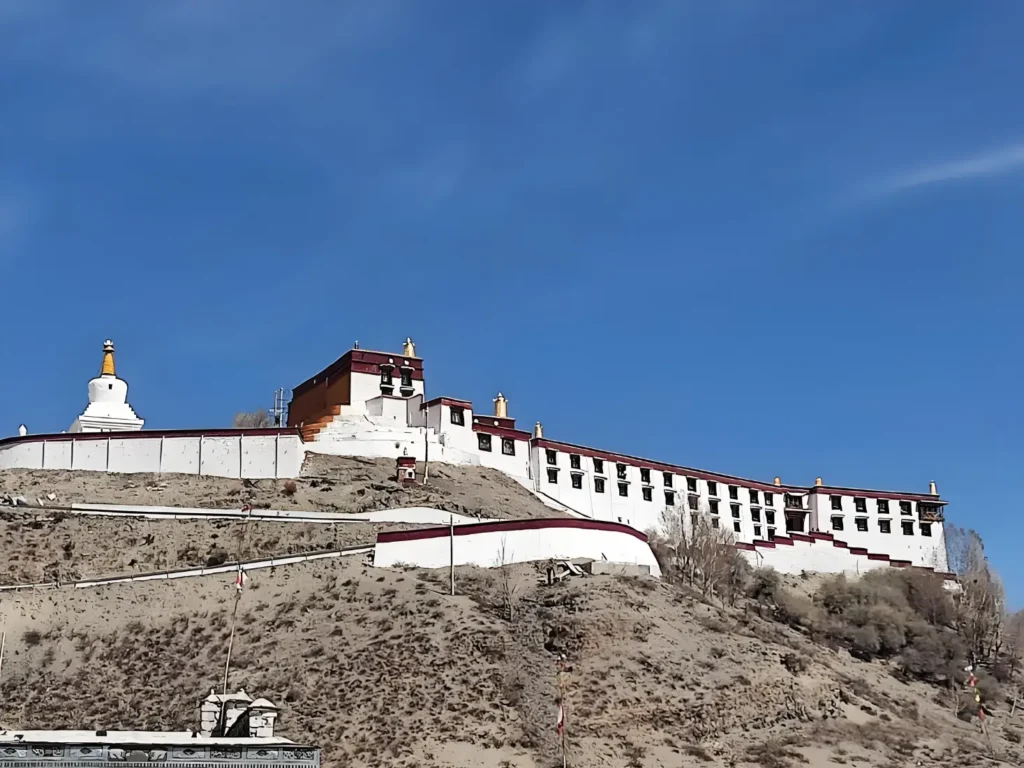
15. Zhire Monastery
Hidden far along the remote northern trails of the plateau, the truly magical Zhire Monastery (alt. 5210 m) rests beside the historic Mount Kailash kora route. It is an untouched sanctuary in every sense of the word, a truly ideal place for travelers wishing to get away from the bustling commercial routes. It allows a sincere and honest peek at the day-to-day workings and meditative solitude of a monastery in Tibet. Travelers to this site of pilgrimage will get a breathtaking first-row look at the enormous granite faces of the mountain without all the hubbub of modern-day travel.
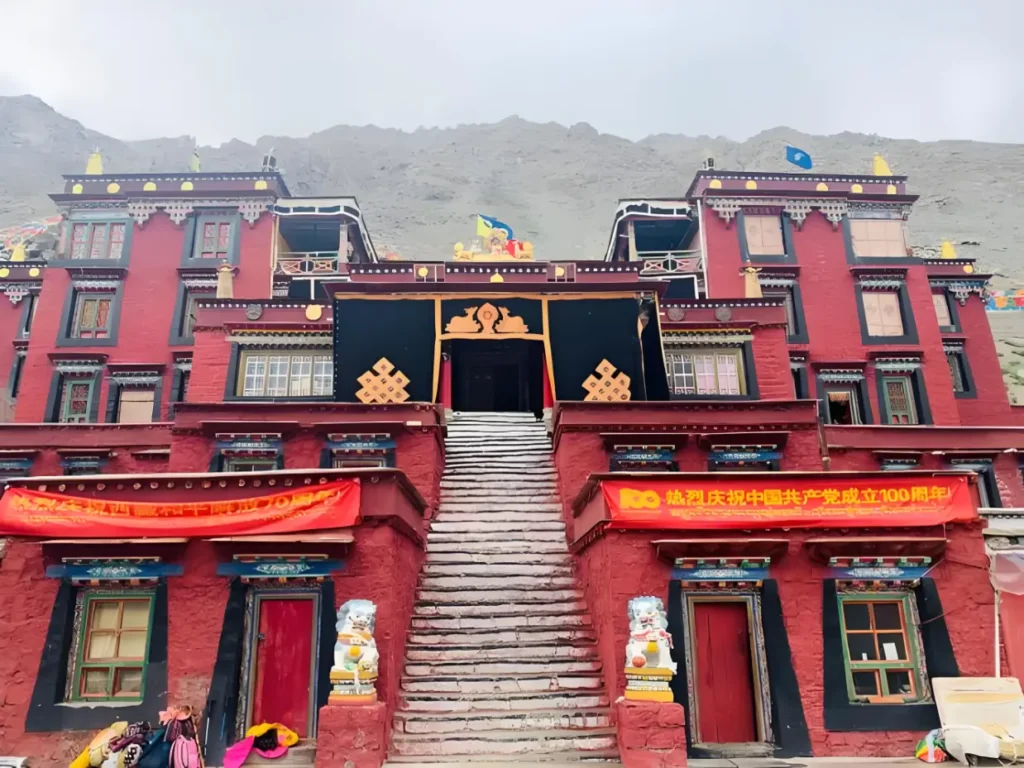
16. ZunZhu Monastery
Dramatically placed along the rocky slopes of Eastern Tibet, ZunZhu Monastery (Zizhu Temple) is an incredible sanctuary perched at an unbelievable altitude amid quiet valleys and age-old trade routes. As a vital cliff-face fortress of the ancient pre-Buddhist religion of Bon, it continues to stand out as an off-the-beaten-track destination for travelers searching for an intensely authentic and profound look at solitary meditation. This is a truly memorable stop for travelers wishing for spiritual depth, friendly local interactions and an untainted peek at culture removed from the main circuit.