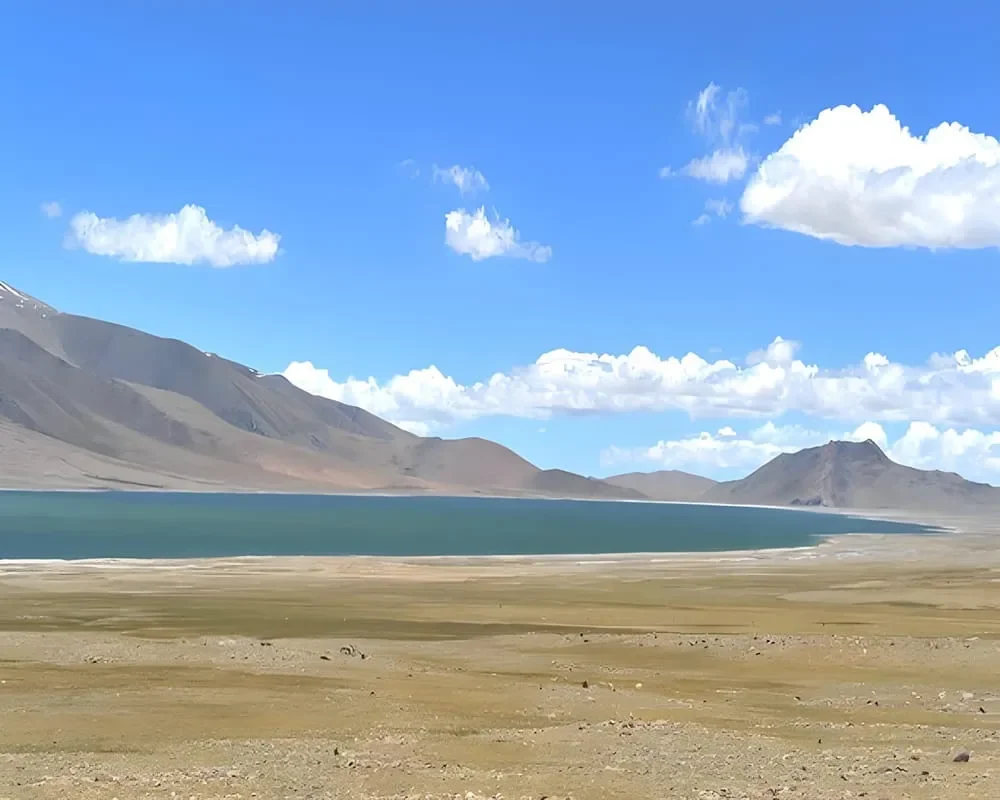
Lakes in Tibet
Most Beautiful Lakes in Tibet: A Comprehensive Guide
When you picture the Tibetan landscape, chances are you’re envisioning towering, snow-capped mountain peaks touching the sky. If you scan a full list of Tibetan lakes though, you’ll quickly realize the plateau is also the location for some of the world’s most spectacular and colorful high-altitude bodies of water.
Ever wonder how many lakes in Tibet there are? There are well over 1,500 lakes in Tibet! Because of the terrain on the plateau, this includes some of the highest lakes in Tibet-fed by ancient, melting glaciers. Beyond sheer beauty, for the people of Tibet these waters hold profound spiritual significance. Visiting a holy lake in Tibet should definitely be on your must-see list.
Here are some of the most popular and famous lakes in Tibet that should be on your itinerary.
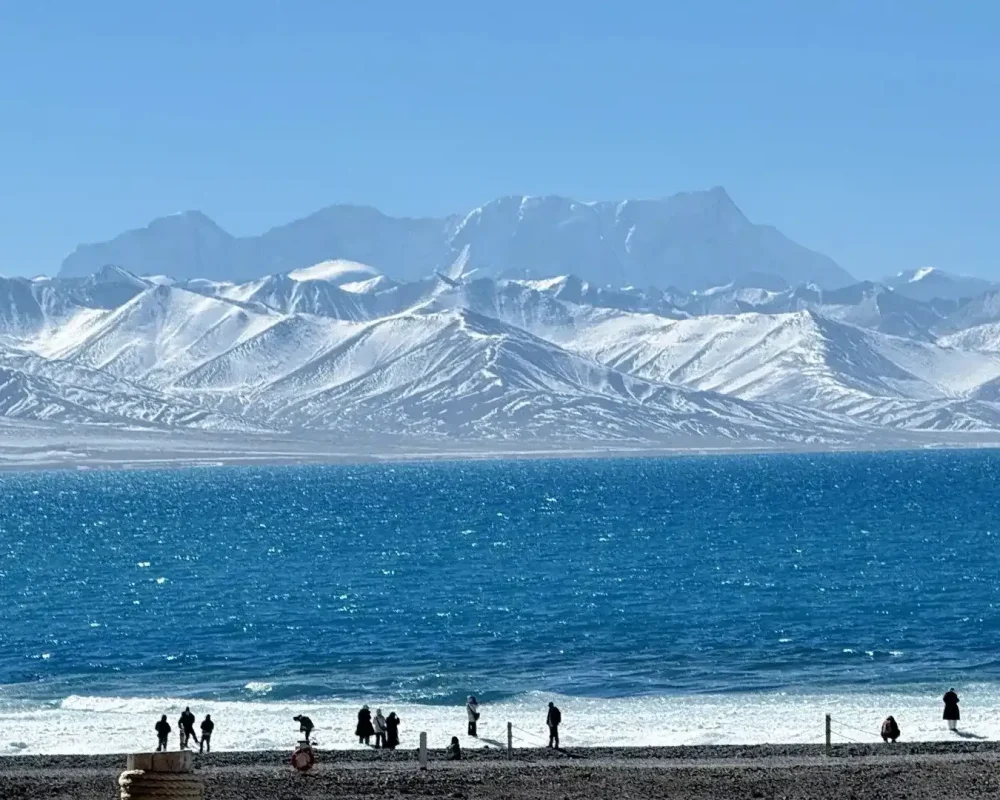
Located only a few hours north of Lhasa, Namtso Lake is a true natural wonder and one you absolutely cannot miss. A profoundly important sacred lake in Tibet, Namtso Lake rests at an astonishing elevation of over 4,700 meters.
It’s named “Heavenly Lake,” and once you’re standing on its shore, you’ll understand why. The vast, deep blue surface stretches to the jagged, snow-capped mountains of the Nyenchen Tanglha range. This is an essential stop if you’re looking to experience a huge alpine horizon, watch nomads grazing their yaks nearby, or walk with pilgrims.
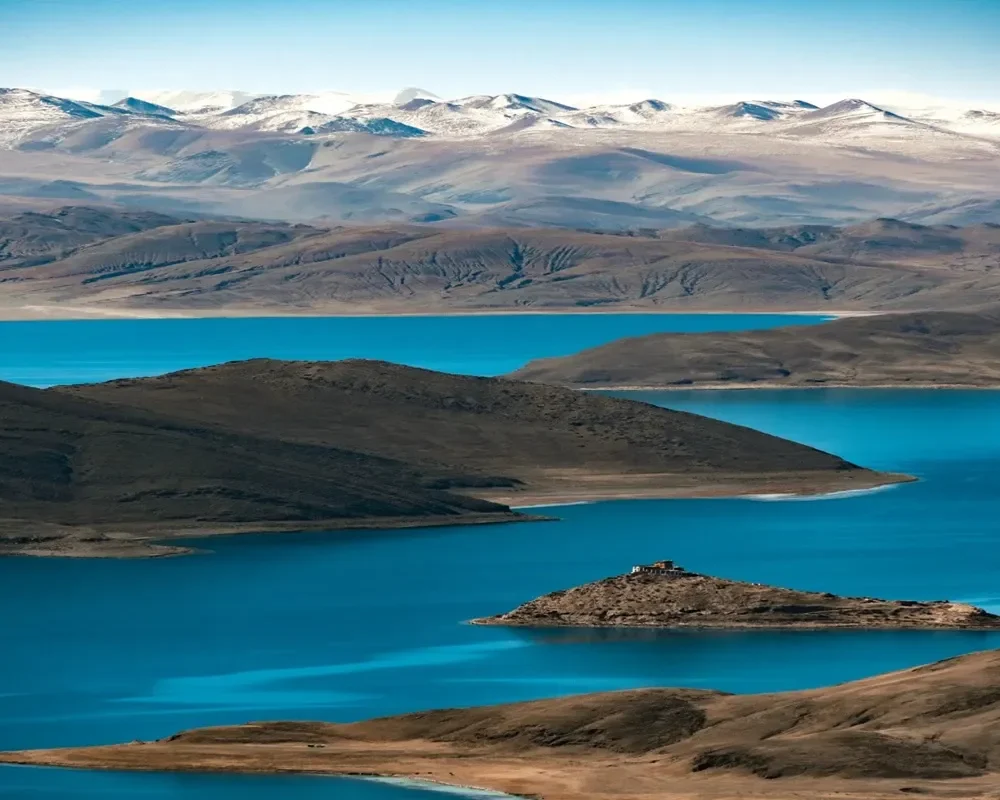
When traveling the classic overland route from Lhasa towards Gyantse and Shigatse, you’ll pass by the shores of Yamdrok Lake. Considered one of the most beautiful lakes in Tibet, its winding, fan-shaped shores mean you can never truly grasp the entirety of the lake at one time. From the passes above, it appears like a vibrant turquoise ribbon winding through the valleys below.
It is a highly accessible and very popular lake among travelers. Stepping out at the Kambala Pass viewpoint, the lake appears in shifting shades of deep blue and vibrant jade depending on how the light hits it, and it’s a must-do photo stop on any trip to Tibet.
It’s named “Heavenly Lake,” and once you’re standing on its shore, you’ll understand why. The vast, deep blue surface stretches to the jagged, snow-capped mountains of the Nyenchen Tanglha range. This is an essential stop if you’re looking to experience a huge alpine horizon, watch nomads grazing their yaks nearby, or walk with pilgrims.
If you’re venturing out into the remote wilderness of western Tibet (the Ali region or Ngari), Lake Manasarovar is a destination you’ll truly want to make a pilgrimage to. This lake is most commonly visited as part of the legendary Kailash Mansarovar overland journey and rests at the base of sacred Mount Kailash.
For centuries, people of many faiths have considered its crystal-clear waters a place of divine healing and purification. Watching the sun dip below the horizon over this serene lake is something that will stay with you long after you leave.
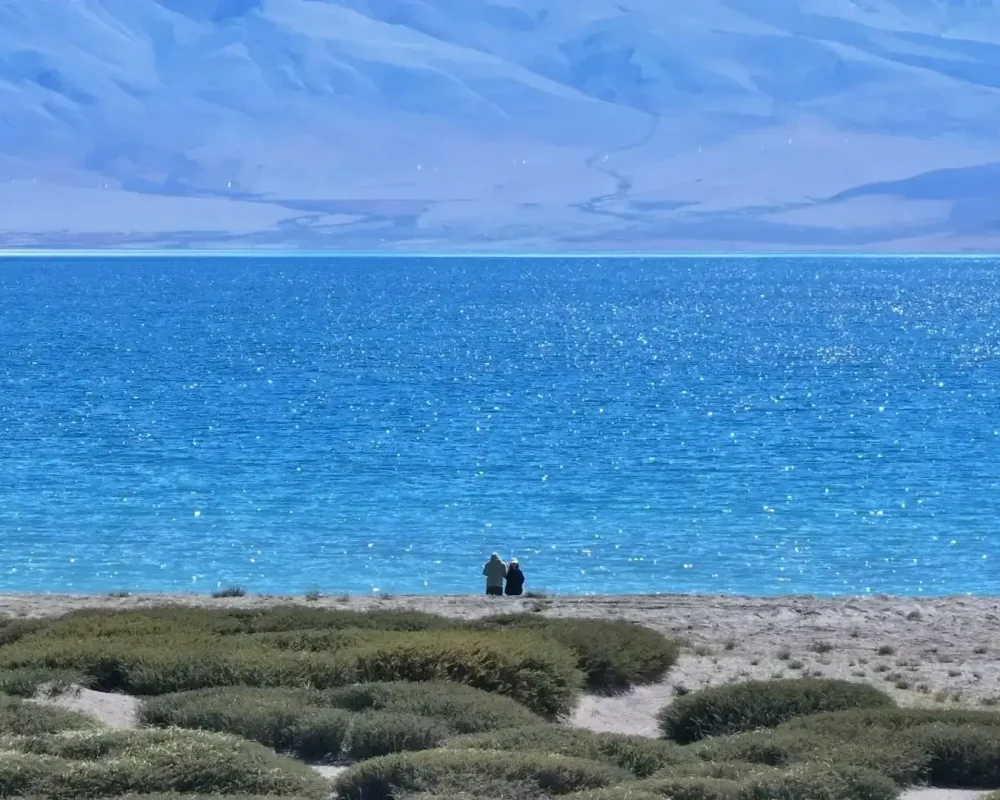
4. Lake Rakshastal
Lying just beside Manasarovar is its peculiar and contrasting twin, Lake Rakshastal. The “Ghost Lake” is a stark counterpoint to the gentle, round, freshwater Manasarovar; Rakshastal is a crescent-shaped, saltwater lake devoid of all aquatic life. Despite its unsettling local reputation, the striking, intense blue waters contrasted with the barren, silent mountain landscape create a uniquely atmospheric and beautiful stop on the journey towards Mount Kailash.
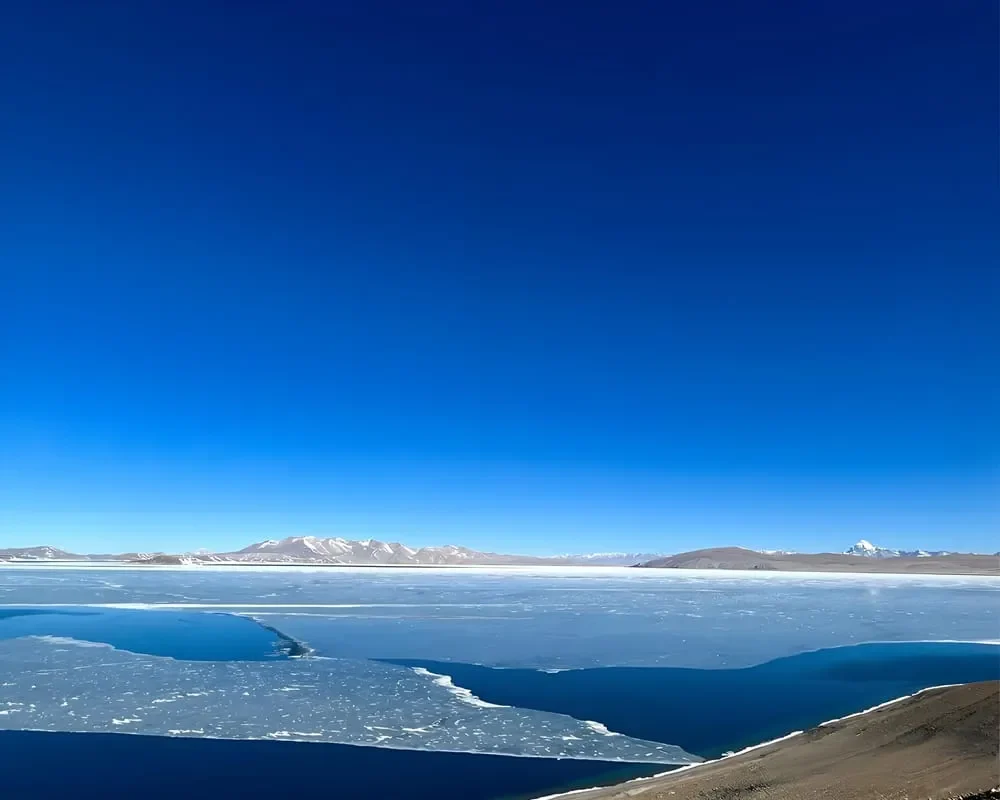
If you’re looking for a different type of lake scenery in Tibet, make sure to visit Lake Basum Tso (also called Basongcuo Lake) in the green, forested region of Nyingchi. Unlike the vast, windswept western lakes, this beautiful lake is nestled within a deep pine forest, bordered by alpine meadows and low-hanging glaciers.
Because it sits at a lower, more oxygen-rich elevation, it’s a more relaxed alternative if you’re concerned about the effects of high altitude. The crown jewel of Basum Tso is a tiny, 1,300-year-old monastery on an island in the center of the emerald water, connected by a floating wooden bridge.
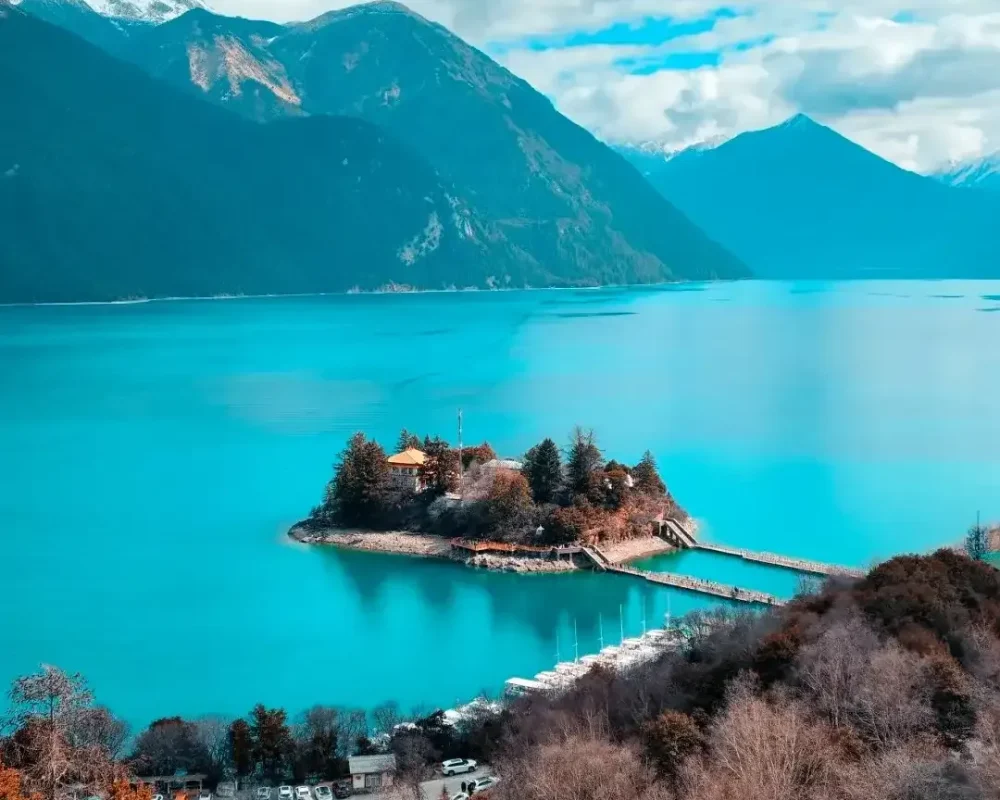
Ranwu Lake is located in the lush Nyingchi prefecture, right along the iconic National Highway 318. Famous for its elongated, meandering shape, Ranwu Lake has perfectly still and glassy reflections. It’s a landslide-dammed lake whose waters vary in color throughout the year, from creamy aquamarine in the spring to a mirror-deep blue in the fall, reflecting the dense surrounding forests and the heavy snowfields blanketing its banks.
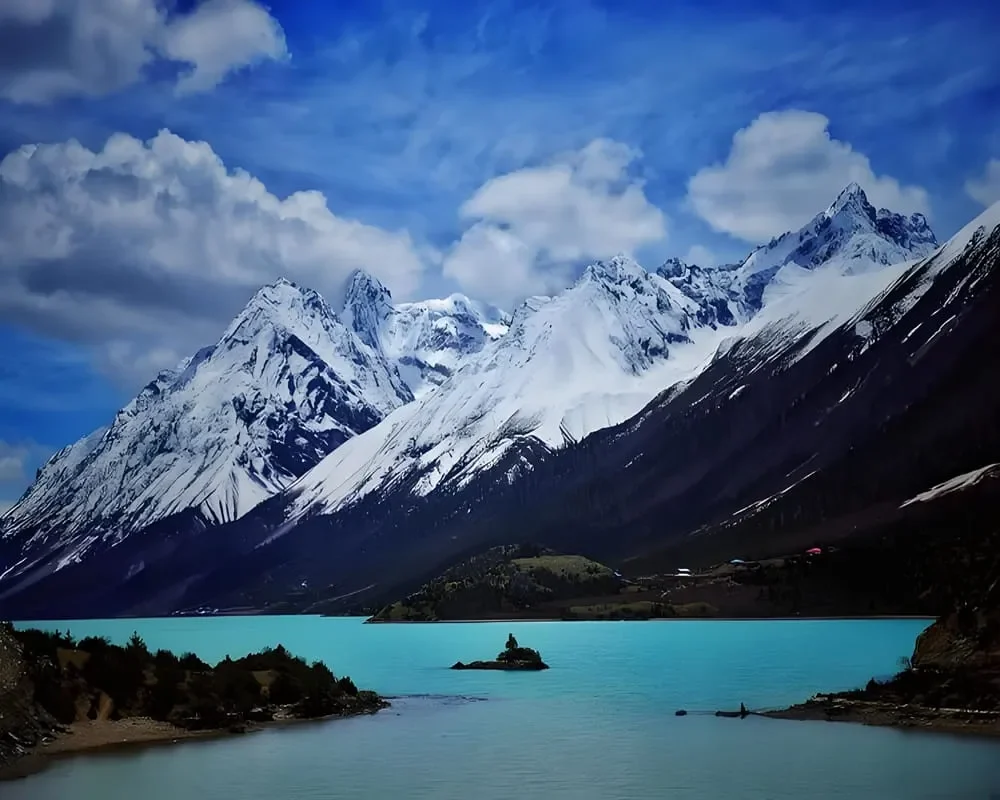
7. Guxiang Lake
A short drive from Ranwu, Guxiang Lake is another hidden alpine wonder in Nyingchi’s Bome County. It’s a calm body of glacial run-off water in a temperate microclimate surrounded by deep, dense forests. This is an excellent spot for travelers looking for a peaceful walk along rustic wooden boardwalks, away from the crowds.
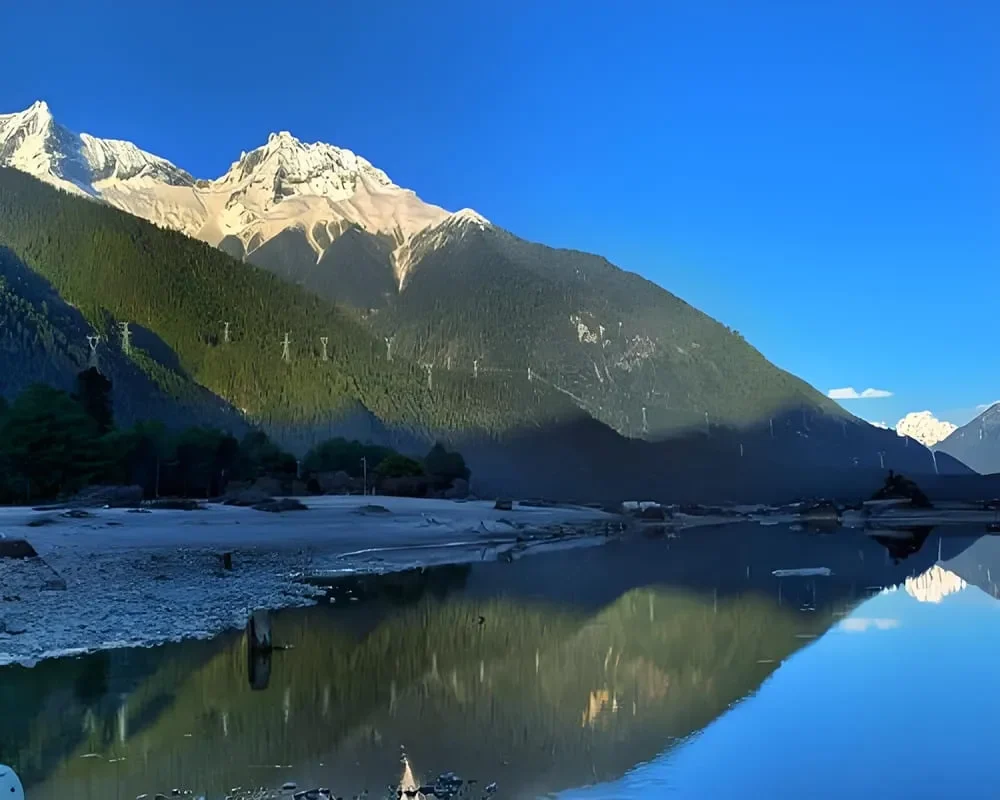
In the Shigatse prefecture, Peiku Tso (commonly known as Pegu Lake) is a vast, brackish lake and a wonderful, less-visited destination. It is the location of its jaw-dropping view: lying directly north of Mount Shishapangma, Tibet’s only 8,000-meter peak fully within the plateau. On clear days, the utterly still turquoise water reflects the snow-capped giant in a flawless inverted mirror.
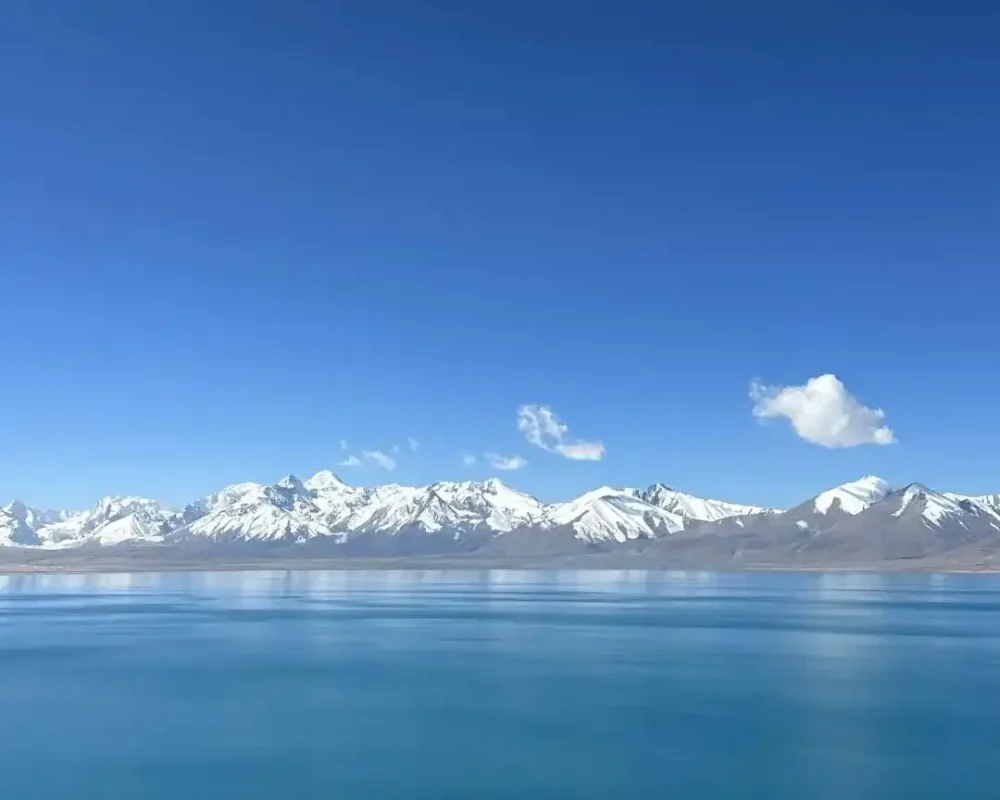
For those embarking on the most adventurous routes deep into the rugged landscape of northern Tibet’s Nagqu region, Tangra Yumco is a legendary destination. The deepest lake on the Tibetan plateau, it is also the most sacred to the ancient, pre-Buddhist Bn spiritual tradition. Shaped like a vajra (the Tibetan Buddhist symbol for a diamond and thunderbolt), its remote shores are home to old stone villages and cliffside hermitages, backed by the dramatic, pyramid-shaped peaks of the Darguo Mountains.
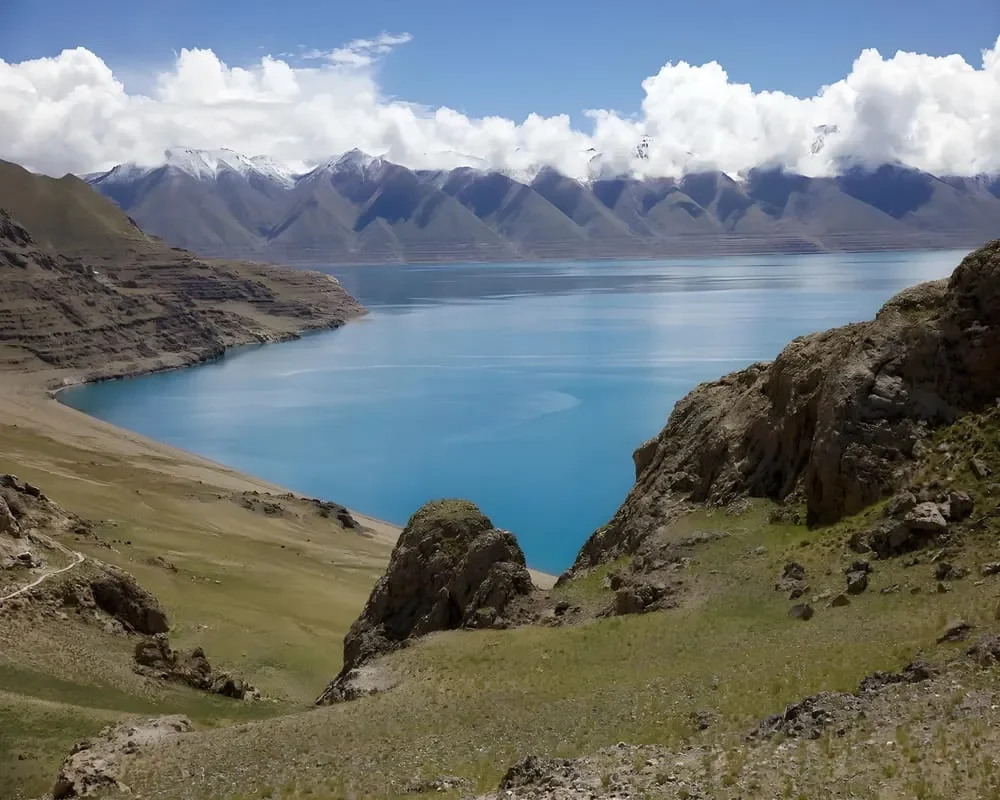
For a look at true Tibetan scale, you can’t miss Selin Lake in northern Tibet. It recently became the largest saltwater lake in Tibet, overtaking Namtso Lake. Sitting in a vast, open grasslands landscape, it is home to many species of plateau wildlife including black-necked cranes and Tibetan wild asses (kiangs). Watching its immense, ocean-like blue surface fade into the northern grasslands will really drive home the sheer vastness of Tibet.
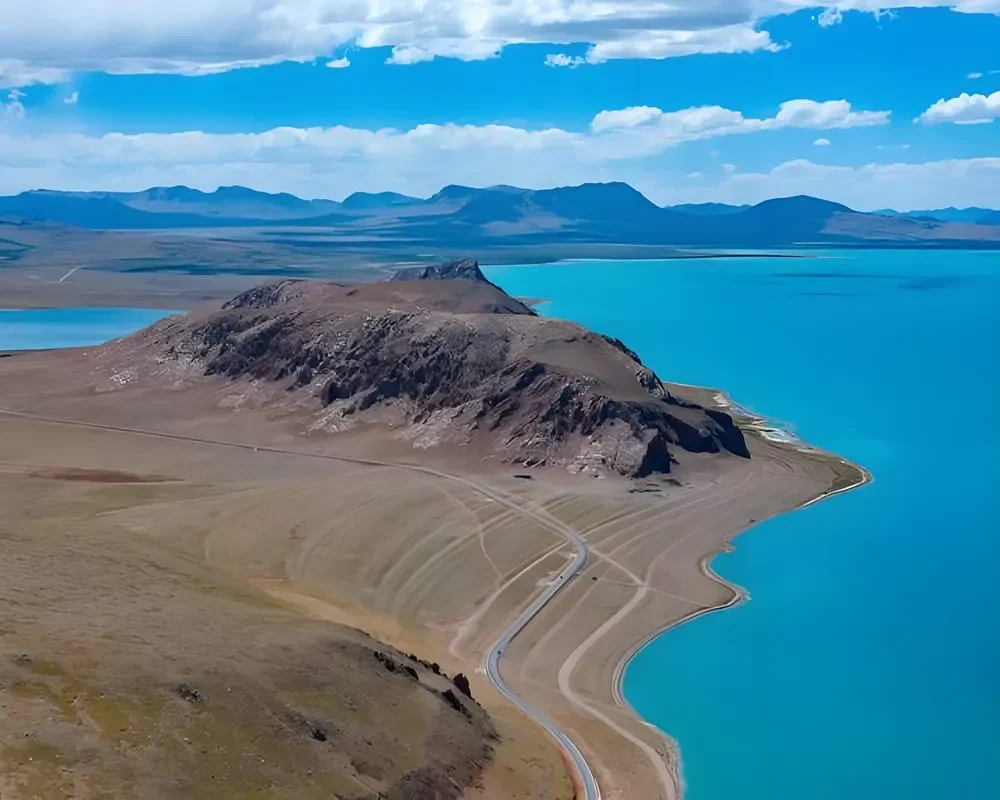
11. Bangor Lake
Lying in the great Changtang wilderness between Namtso and Selin Lake, Bangor Lake is an architectural contrast. It is a highly mineralized salt lake fringed with brilliant white borax crusts. The stark white beaches and the vibrant turquoise and teal colors of the shallow waters create an ethereal, otherwordly landscape. This lake is an excellent spot for photographers and wildlife lovers seeking rare high-altitude migratory birds.
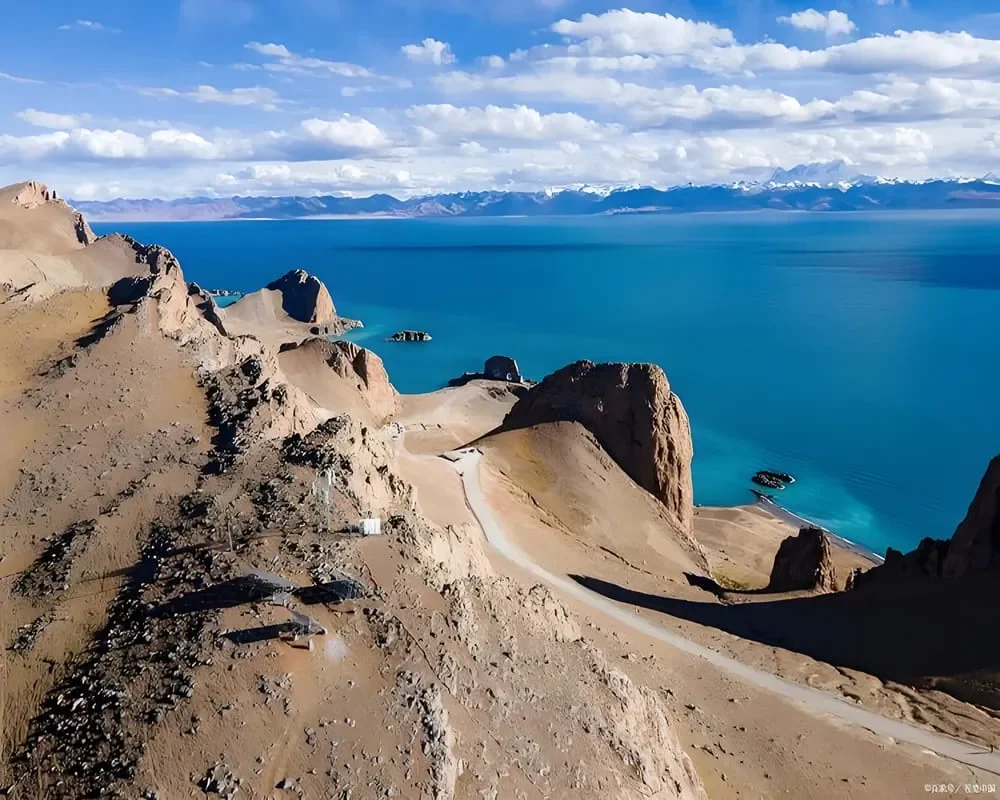
12. Gongzhucuo
Situated right on the border as you enter the remote Ngari Prefecture on the southern Xinjiang-Tibet Highway, Gongzhucuo is a stunning, long, thin alpine lake that provides an absolutely breathtaking welcome to Mount Kailash. Its deep sapphire waters are framed perfectly by the deep purple and burnt orange desert mountain backdrop for a spectacularly colorful photo stop.