Shigatse Tibet Tours
Journey to the Heartland of Tibetan Monasteries: Shigatse
Shigatse: The Gateway to Tibet’s Historic Monasteries
As Tibet’s second-largest city and the traditional seat of the Panchen Lama, a Shigatse tour offers an unparalleled journey into the soul of Tibetan Buddhism. This region serves as the cultural and spiritual custodian of the plateau, housing some of the most influential monasteries of Buddha in history. From the bustling streets of the city center to hidden valleys holding ancient structures, exploring Shigatse allows travelers to witness the enduring legacy of the ultimate Buddhist monastery in Tibet.
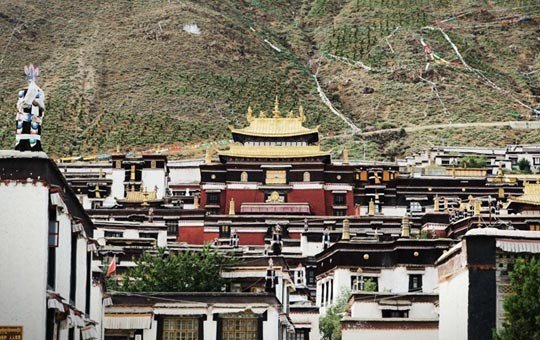
Tashilhunpo Monastery: The Jewel of Shigatse Tibet Monasteries
The absolute highlight of any visit to the region is the magnificent Tashilhunpo Monastery. Founded in 1447 by the First Dalai Lama, this massive complex stands as one of the four Great Buddhist Monasteries of the Gelug sect of Buddhism. As a living Tibetan Buddhism temple, it is world-renowned for housing the Future Buddha (Maitreya) statue – the largest gilded bronze statue on earth. Walking the sacred kora path around Tashilhunpo Monastery offers a profound spiritual experience that rivals the atmosphere of the famous Jokhang Monastery in Lhasa.
Architectural Wonders: Palcho Monastery and Shalu Monastery
A comprehensive Shigatse itinerary takes you deeper into the history of Buddhist temples in Tibet by exploring regional architectural treasures.
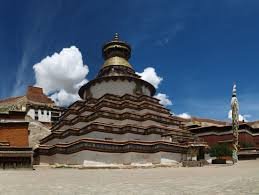
Palcho Monastery (Kumbum Stupa): Located in Gyantse county, this unique monastery is celebrated for its structural harmony, bringing three different sects of Tibetan Buddhism under one roof. Its multi-tiered Kumbum Stupa is a masterwork of sacred art, containing tens of thousands of murals.
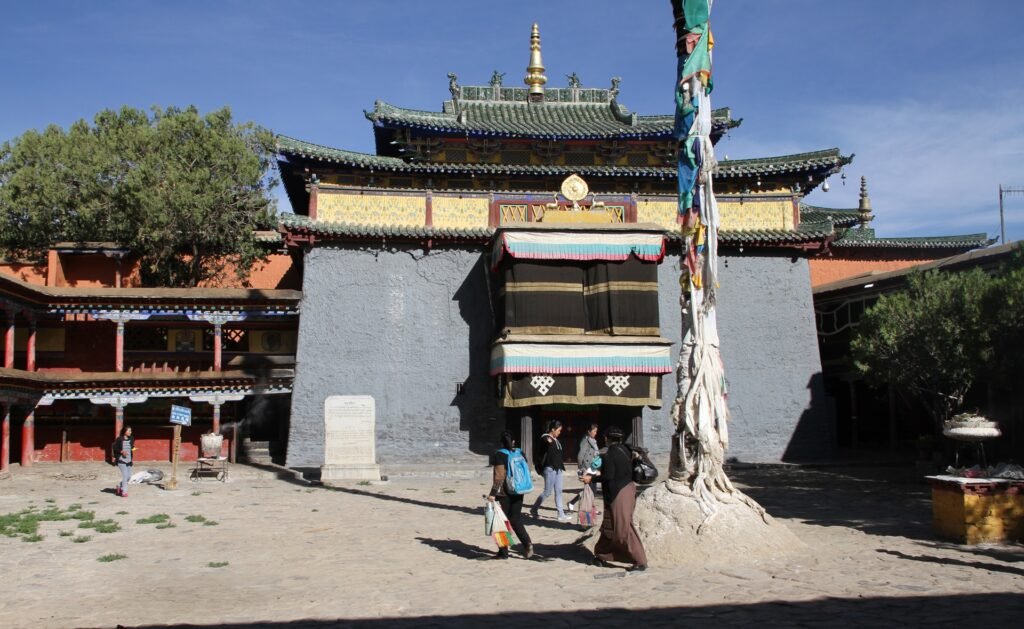
Shalu Monastery: Renowned for its Han-Tibetan architectural fusion, this ancient Buddha temple in Tibet features unique green-tiled roofs and perfectly preserved 14th-century murals that display a rare combination of Newari, Tibetan, and Chinese artistic styles.
Popular Shigatse Tour Groups
Experience the highlights of central Tibet by joining our curated Shigatse group tours, featuring local Tibetan guides, oxygen-equipped vehicles, and fixed itineraries. Ranging from multi-day cultural overviews connecting Lhasa with the stunning Tashilhunpo Monastery to legendary overland expeditions across the G318 highway toward Mount Everest North Base Camp, our small group packages provide a highly social and cost-effective way to travel safely.
More Tibet Travel Destinations
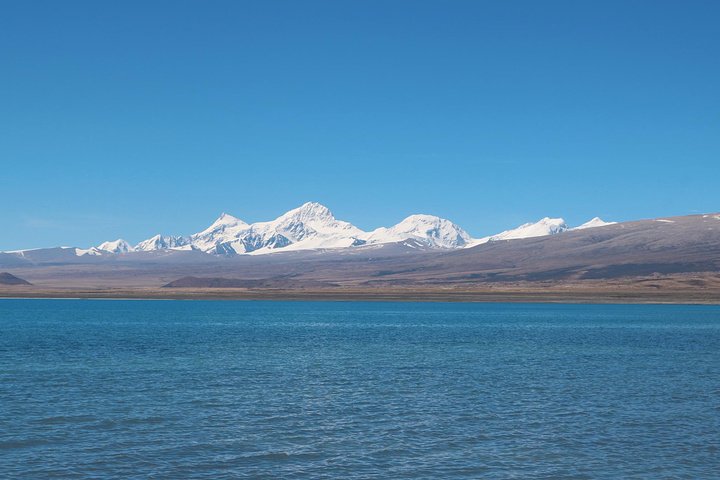
Using Shigatse as your stepping stone, seamlessly extend your journey toward other legendary destinations in Tibet. Travel further west to embark on the sacred high-altitude pilgrimage circuit around Mount Kailash in Ngari, navigate back east to witness the tranquil turquoise waters of Yamdrok Lake, or explore the lush, low-altitude alpine valleys of Nyingchi Prefecture.
Shigatse Tibet Monasteries Travel Guide
Plan your spiritual journey through the historic monasteries of Buddha with our essential tips on navigating iconic landmarks like Tashilhunpo Monastery, Sakya Monastery, Shalu Monastery, and Palcho Monastery. Our guide ensures you are fully prepared to explore every ancient Buddhist monastery in Tibet, helping you understand the deep traditions of Monasteries Buddhism from the holy Jokhang Monastery in Lhasa to each sacred Buddha temple in Tibet. Learn more about Tibet Travel Guide
Shigatse Travel FAQ
How bad is altitude sickness in Shigatse compared to Lhasa?
Shigatse sits at an elevation of approximately 3,860 meters (12,664 feet), which is roughly 200 meters higher than Lhasa. Travel forums emphasize that you should spend at least 2–3 days acclimatizing in Lhasa before moving on to Shigatse. Most travelers adjust successfully if they stick to the “golden rule of rest”—avoiding showers, heavy exercise, and alcohol during their first few days on the plateau.

Do I need a different permit for Shigatse if I already have a Lhasa permit?
Yes. While your primary Tibet Travel Permit gets you onto the plateau, traveling past Lhasa into the Shigatse region requires an Aliens’ Travel Permit (issued by the Public Security Bureau). If you intend to head further south from Shigatse to Everest Base Camp or the border regions, a Military Permit is also required. Your licensed agency must bundle these applications together at least 20 days prior to your departure.
Is it worth visiting Shigatse during the winter season?
Yes, highly. Travel forums note that winter (November to February) is the agricultural off-season on the plateau, meaning Buddhist temples in Tibet fill with local nomads and pilgrims rather than tourist crowds. While outdoor high-altitude passes are cold, Shigatse city enjoys crisp, clear blue skies and intense daily sunshine, making it an incredibly authentic time for an in-depth cultural or monastery tour.