16-Days Lhasa to Mount Kailash Tour & Lake Manasarovar
Need help with booking? Send Us A Message
Overview
16 days Lhasa to Mount Kailash tour is a life-enriching journey which perfectly embodies the adventure itself. This majestic journey begins from holy Lhasa and goes further into the mystical Ngari (Ali) Prefecture, where the "Roof of the Roof of the World" is located. It is the only tour that joins both tough and sacred walking trail of Mount Kailash Kora trek together with a serious exploring journey on ruins of a dead kingdom in Guge Kingdom tour as well as majestic Mount Everest.
You will see wide open plains with herds of wild kiang running around; you will meditate with sacred Lake Manasarovar whose surface is as smooth and clear as a mirror; you will awe at the dark and old book walls in Sakya Monastery. This is not only a tour; it is a historical adventure.
Trip Highlights
- Mount Kailash Kora (3-Day Trek): Complete the ultimate pilgrimage around the world's most sacred peak. Join pilgrims from across the globe in a ritual walk that has been practiced for over a thousand years.
- The Lost Guge Kingdom: Explore the honeycomb of caves, temples, and palaces carved into red clay cliffs. Discover 10th-century murals and the haunting history of a civilization that vanished into the desert.
- Sunrise at Everest Base Camp: Experience the unmatched silence of the Himalayas as the first light hits the 8,848m North Face of Mount Everest.
- The Zanda Earth Forest: Photography lovers will be spellbound by these natural clay formations that resemble a vast, golden city stretching as far as the eye can see.
- Sacred Lake Manasarovar: Visit one of the highest freshwater lakes in the world, whose waters are believed to wash away the sins of a lifetime.
- The Dark Walls of Sakya: Step into the "Second Dunhuang" - the Sakya Monastery, famous for its massive library of ancient scrolls and unique grey-and-red fortified walls.
- Lhasa Culture: Begin with the foundational icons: the Potala Palace, Jokhang Temple, and the high-energy debates of the monks at Sera Monastery.
Tour Plan
Meals: Self-provided
Accommodation: Lhasa
Upon disembarking, our staff will greet you with the warmest smiles and the rosy cheeks typical of high-altitude regions. Having just arrived at the plateau, what you need most is to slow down and relax.
We will take you to your hotel for a good rest, allowing your body to gradually acclimatize to the high-altitude environment. Tashi Delek!!
Lhasa, meaning "holy land" or "land of Buddha" in Tibetan, is a sacred city in the hearts of Tibetans and a paradise for travelers.
With the opening of the Qinghai-Tibet Railway, Lhasa is no longer out of reach. But the hustle and bustle and crowds are not Lhasa's true face; let's explore its mysterious charm together.
Important Tips:
1) Pick-up and Drop-off: Since a professional local transfer center arranges train/airport transfers in Tibet, staff will contact you in advance. Please ensure your mobile phone is reachable. Foreign nationals and Taiwanese compatriots will require a tour guide for pick-up.
Chinese nationals will be directly picked up by the driver and taken to their hotel. The travel agency will inform you of the hotel check-in process in advance. If you do not receive a notification, don't hesitate to get in touch with the travel agency staff promptly (see the tour confirmation letter for details) for assistance.
The tour guide will inform you of the meeting time for the next day by phone or SMS before 10 PM.
2) Altitude Sickness: Avoid strenuous exercise upon arrival in Lhasa, and do not shower that evening to prevent catching a cold. Do not drink alcohol. Drink plenty of water and eat fruit, but avoid overeating.
Get plenty of rest. You may bring ginseng lozenges or Rhodiola rosea and other altitude sickness medications to alleviate altitude sickness.
Follow the instructions of the travel agency staff and tour guide, and try to avoid going out as much as possible. Maintaining a calm mindset and getting sufficient rest are the best ways to prevent altitude sickness. If you feel unwell, seek medical attention promptly.
Accommodation: Lhasa
Meals: Breakfast included
Details: Tibetan Culture Experience: Immerse yourself in authentic regional heritage at the Tibetan Culture Experience Center. Learn how to hand-craft traditional, fragrant Tibetan incense.
Practice the art of woodblock printing to stamp your own name in elegant Tibetan script. You can take your handmade incense and custom prints home as personal cultural souvenirs.
Sera Monastery: Along with Drepung and Ganden, Sera stands as one of Lhasa's three great Gelug monasteries. It houses tens of thousands of sacred Vajra statues, including the famous "Hayagriva" protector deity in the Jizha Cang hall, where locals touch the base of the shrine with their foreheads.
At 3:00 PM, experience the famous monastic debates in the courtyard, where lamas dramatically clap and use prayer beads to emphasize philosophical points. (Please note: Debates may be canceled without notice due to religious ceremonies or unexpected temple events).
- Meals: Breakfast included
- Accommodation: Lhasa
- Details: * Tibetan Culture Experience: Immerse yourself in authentic regional heritage at the Tibetan Culture Experience Center. Learn how to hand-craft traditional, fragrant Tibetan incense and practice the art of woodblock printing to stamp your own name in elegant Tibetan script. You can take your handmade incense and custom prints home as personal cultural souvenirs.
- Sera Monastery: Along with Drepung and Ganden, Sera stands as one of Lhasa's three great Gelug monasteries. It houses tens of thousands of sacred Vajra statues, including the famous "Hayagriva" protector deity in the Jizha Cang hall, where locals touch the base of the shrine with their foreheads. At 3:00 PM, experience the famous monastic debates in the courtyard, where lamas dramatically clap and use prayer beads to emphasize philosophical points. (Please note: Debates may be canceled without notice due to religious ceremonies or unexpected temple events).
Accommodation: Lhasa
Meals: Breakfast and dinner included
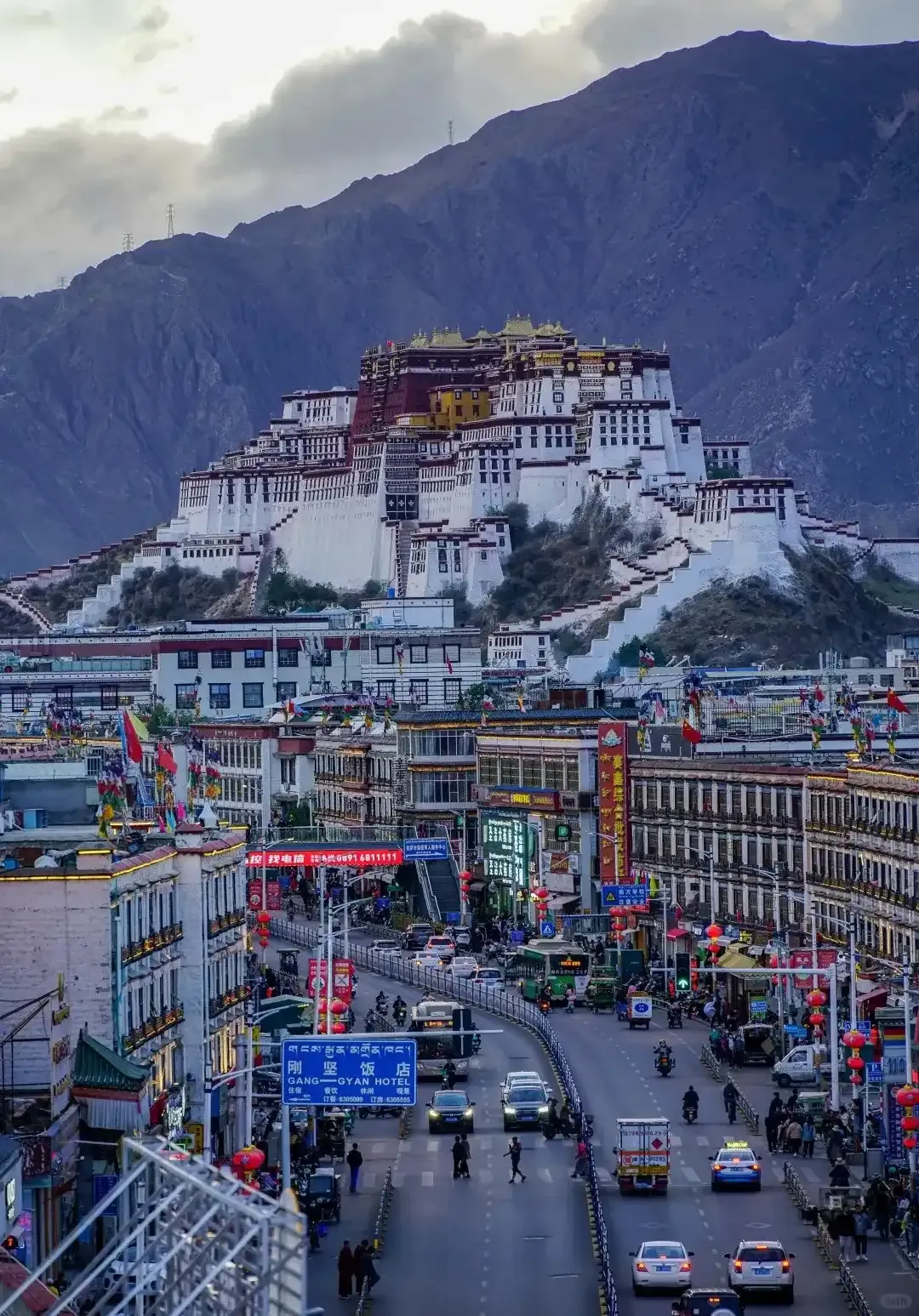
Lhasa city tour: Potala Palace, Jokhang Temple, Barkhor Street
Details: Potala Palace (1-Hour Limit): Explore the grand halls, stupas, and corridors of the legendary palace built by King Songtsen Gampo. The dim lighting and rich scent of traditional yak butter lamps create an atmospheric journey through ancient Buddhist murals and legends.
Potala Palace Booking Instructions: Tickets are strictly regulated via a real-name reservation system requiring your original ID or passport. Once booked, names cannot be changed and reservations are frozen for 7 days.
Entry slots are randomly assigned by the computer system of the Potala Administration Office, meaning specific times cannot be requested.
During peak travel seasons, group tickets are extremely limited. To guarantee entry, groups may be split into smaller units, entry times/dates may vary across the group, and you may enter with a different guide. Ticket fees are entirely non-refundable.
Jokhang Temple (1-Hour Visit): Visit the spiritual heart of Lhasa, showcasing a blend of Tibetan, Tang Dynasty, Nepalese, and Indian architectural styles.
See the devotion of endless streams of pilgrims prostrating on the worn bluestone floors before thousands of eternal butter lamps.
Jokhang Temple Booking Instructions: Real-name ticketing must be reserved one day in advance via the WeChat mini-program between 7:00 AM and 11:59 PM under your guide's direction.
As an active place of worship, it may close unexpectedly for major religious events.
Special Add-on: A complimentary Lhasa-style welcome meal featuring authentic Tibetan or Nepalese cuisine is served tonight.
- Accommodation: Lhasa
- Lhasa city tour: Potala Palace, Jokhang Temple, Barkhor Street
- Details: * Potala Palace (1-Hour Limit): Explore the grand halls, stupas, and corridors of the legendary palace built by King Songtsen Gampo. The dim lighting and rich scent of traditional yak butter lamps create an atmospheric journey through ancient Buddhist murals and legends.
- Potala Palace Booking Instructions: Tickets are strictly regulated via a real-name reservation system requiring your original ID or passport. Once booked, names cannot be changed and reservations are frozen for 7 days. Entry slots are randomly assigned by the computer system of the Potala Administration Office, meaning specific times cannot be requested. During peak travel seasons, group tickets are extremely limited. To guarantee entry, groups may be split into smaller units, entry times/dates may vary across the group, and you may enter with a different guide. Ticket fees are entirely non-refundable.
- Jokhang Temple (1-Hour Visit): Visit the spiritual heart of Lhasa, showcasing a blend of Tibetan, Tang Dynasty, Nepalese, and Indian architectural styles. See the devotion of endless streams of pilgrims prostrating on the worn bluestone floors before thousands of eternal butter lamps.
- Jokhang Temple Booking Instructions: Real-name ticketing must be reserved one day in advance via the WeChat mini-program between 7:00 AM and 11:59 PM under your guide's direction. As an active place of worship, it may close unexpectedly for major religious events.
- Special Add-on: A complimentary Lhasa-style welcome meal featuring authentic Tibetan or Nepalese cuisine is served tonight.
Meals: Breakfast included
Accommodation: Shigatse
After setting off, the route follows the Yarlung Tsangpo River valley, offering panoramic views of the river. The Yarlung Tsangpo River along Provincial Highway 101 is the widest river near Lhasa.
Driving along the Yarlung Tsangpo River valley onto Provincial Highway 307, you'll reach a mountainside where you can enjoy a breathtaking and magnificent view of the Yarlung Tsangpo River.
Gambala Mountain - Best viewing angle for Yamdrok Lake
From Gambala Mountain, you can see the most beautiful side of Yamdrok Lake—the bluest sky and the bluest lake are both here. Here, you'll understand the meaning of "angels' tears in heaven, Yamdrok Lake's blue on earth."
However, many photographers say, "No matter how many times I photograph Yamdrok Lake, I can never capture its true beauty..." In addition, many Tibetans on Gambala Mountain offer yak photography services; please agree on the price beforehand to avoid unnecessary trouble.
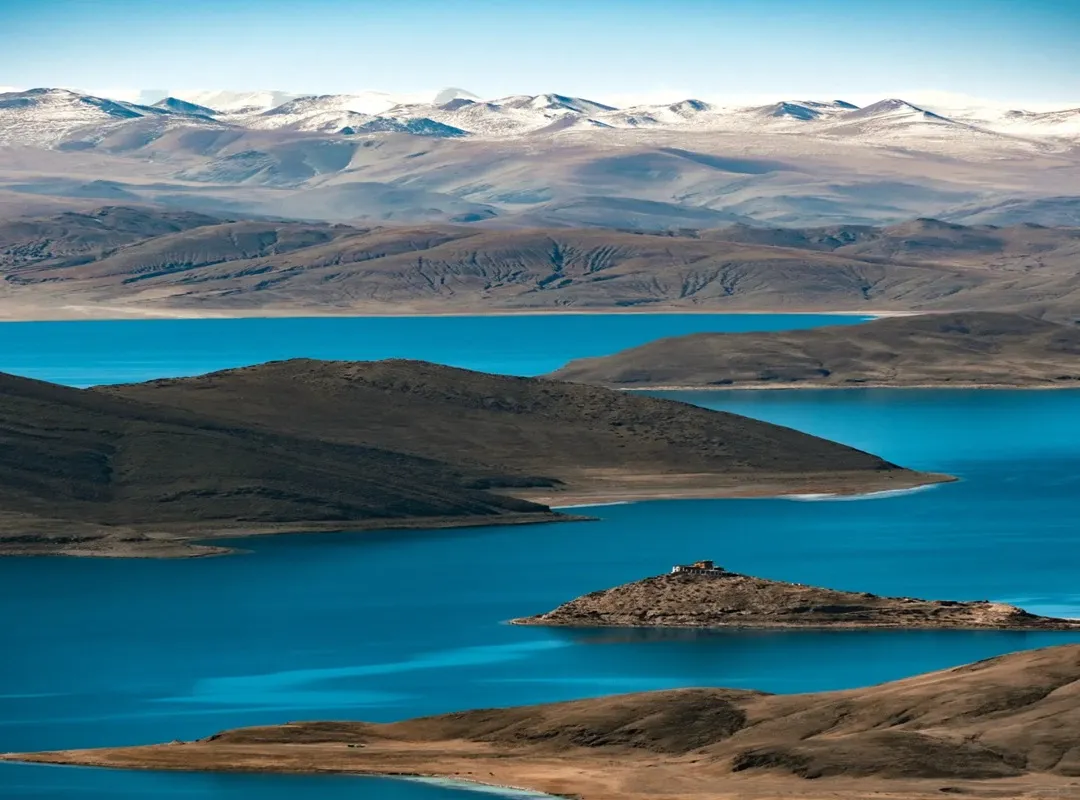
Yamdrok Lake
Yamdrok Lake, one of the three holy lakes of Tibet, is a freshwater lake with water as clear as mutton fat and sweet enough to drink.
The azure waters merge seamlessly with the distant snow-capped mountains, complemented by the colorful mountain ranges on both sides, distinctive Tibetan villages, and grazing cattle and sheep, creating a breathtaking and invigorating journey.
Yamdrok Lake covers an area of 638 square kilometers, with an elevation of 4441 meters and a shoreline of 250 kilometers. It is also believed to be a turquoise earring left behind by a goddess.
Standing atop the 4950-meter-high Gambala Mountain and looking south, Yamdrok Lake resembles a sapphire set among the peaks, its azure surface smooth as a mirror, reflecting the clear blue sky.
Karola Glacier - (A gradually disappearing glacier (approximately 20 minutes visit)
One of the three major continental glaciers in Tibet, the glacier is backed by Nyainqêntanglha Mountain, one of the four highest peaks in Tibet. The massive glacier stretches from the misty summit all the way to the roadside, just a few hundred meters away.
Although the glacier's overall appearance is layered in black and white due to years of dust from the road, the upper part, under the sunlight, resembles a giant thangka hanging on the mountainside, shimmering brilliantly.
It gained fame after being used as a filming location for movies such as "Red River Valley", "The Battle of Gyantse", and "The Knot".
Baiju Temple
Pelkor Chode Monastery, known in Tibetan as "Pangor Chode," meaning "Great Blissful Wheel Monastery," is a monastery where the Sakya, Shalu, and Gelug schools of Tibetan Buddhism coexist.
We will spend the night in Shigatse, whose Tibetan name means "best manor," and it is one of the "granaries of Tibet." Historically, it was the political, religious, and cultural center of Tsang (the area south of the Tibetan Plateau), and the residence of the Panchen Lamas. With over 500 years of history, it is currently the second largest city in Tibet.
Important Tips:
In addition to the Tibet Entry Permit, all foreign tourists traveling to Mount Everest on the same bus need to apply for a travel permit in Shigatse. The tour guide will adjust the itinerary accordingly based on the application status of the travel permits. Please follow the tour guide's instructions and cooperate actively.
Please understand that if system malfunctions or a surge in tourist numbers during peak season cause long queues for tourist permit processing, we apologize for the inconvenience.
Meals: Breakfast and dinner included
Accommodation: Everest Base Camp tents / Guesthouses near Everest
Travel along the most beautiful border highway, admire the magnificent snow-capped mountains, and enjoy distant views of Kangchenjunga, the world's third highest peak, Lhotse, the world's fourth highest peak, and Rimana Snow Mountain.
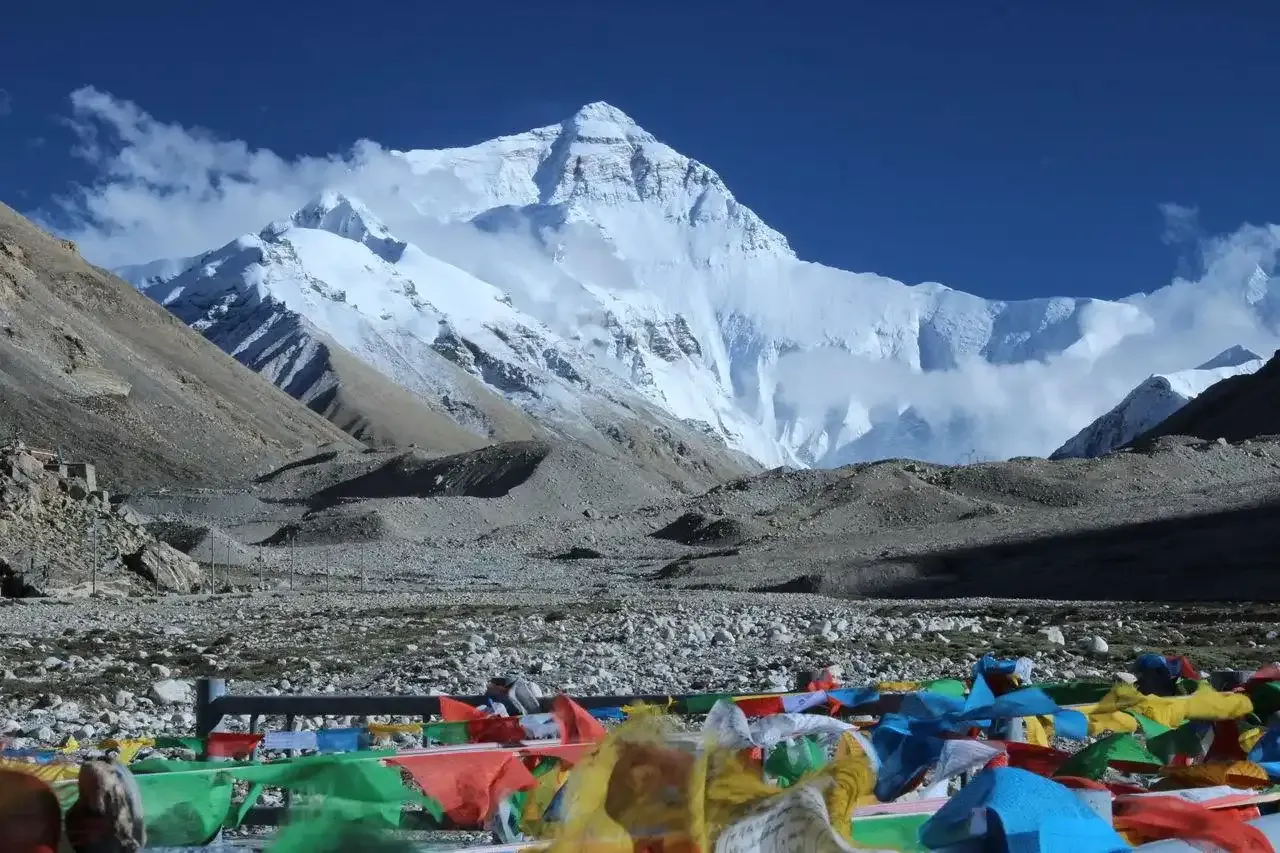
Mount Everest
Mount Everest, at 8,848 meters, is the world's highest peak, located in the central Himalayas on the border between China and Nepal. Its summit is perpetually covered in snow, with glaciers hanging in the distance, creating a breathtakingly unique and magnificent spectacle.
Tingri Everest Viewpoint
The Mount Everest viewing platform is located at kilometer 22 of the Everest Road in Tingri County, Shigatse, a necessary route to the Everest Base Camp. The platform is at an altitude of 5200 meters. From here, looking south, one can see Mount Everest and other snow-capped mountains reaching 8000 meters in height.
Rongbuk Monastery
Rongbuk Monastery, at an altitude of approximately 5100 meters, is a high-altitude, cold region with stunning scenery. The new Everest Base Camp is nearby. If you're lucky, you might even witness the Everest banner cloud, which dances like a flame of life.
Important Tips:
Accommodation is in tents at Everest Base Camp (8-15 people/tent, shared beds, limited facilities): Overall, it is relatively clean and tidy, but there is a significant difference compared to hotels in the city.
Please understand that from October to April of the following year, due to the cold weather, the tents will be moved from Everest Base Camp, and accommodation will be provided in guesthouses in villages near Everest.
Accommodation and meals will be basic today. The altitude is high and temperatures are low, so please take precautions against the cold. Be careful and take precautions against altitude sickness.
Temperatures at night in summer are around 0-8 degrees Celsius, so please bring warm clothing. You can also rent down jackets at the base camp for approximately 100 yuan per jacket per night (prices are for reference only and may vary depending on local costs).
A complimentary special meal will be served that evening: Mount Everest hot pot.
Meals: Breakfast included
Accommodation: Saga
Whether you slept soundly or tossed and turned the night before, you must rise early to greet the dawn on Mount Everest. While the surrounding peaks still slumber in the morning light, Everest is already adorned with a dazzling sunrise, like a goddess in her finest robes.
Travel through the majestic, imposing, and winding Himalayas with the first rays of light rising over Mount Everest, traversing the desolate and silent Gawula Pass at an altitude of 5200 meters.
In the distance, besides the towering Mount Everest (8848 meters), you'll find a cluster of other snow-capped world-class peaks, including Labujikang (7367 meters), Cho Oyu (8201 meters), Lhotse (8516 meters), and Makalu (8463 meters). Gaze upon the majestic and solemn Shishapangma (8012 meters), the only 8000-meter-plus world-class mountain entirely within China.
With lingering affection for Mount Everest, we continued our journey, admiring the scenery.
Meals: Self-provided
Accommodation: Darchen
After breakfast, we'll travel along National Highway 219, passing through Payang Town, which belongs to Zhongba County. This town boasts a distinctly western charm and is one of the highest towns in the world, at an altitude of approximately 4,600 meters.
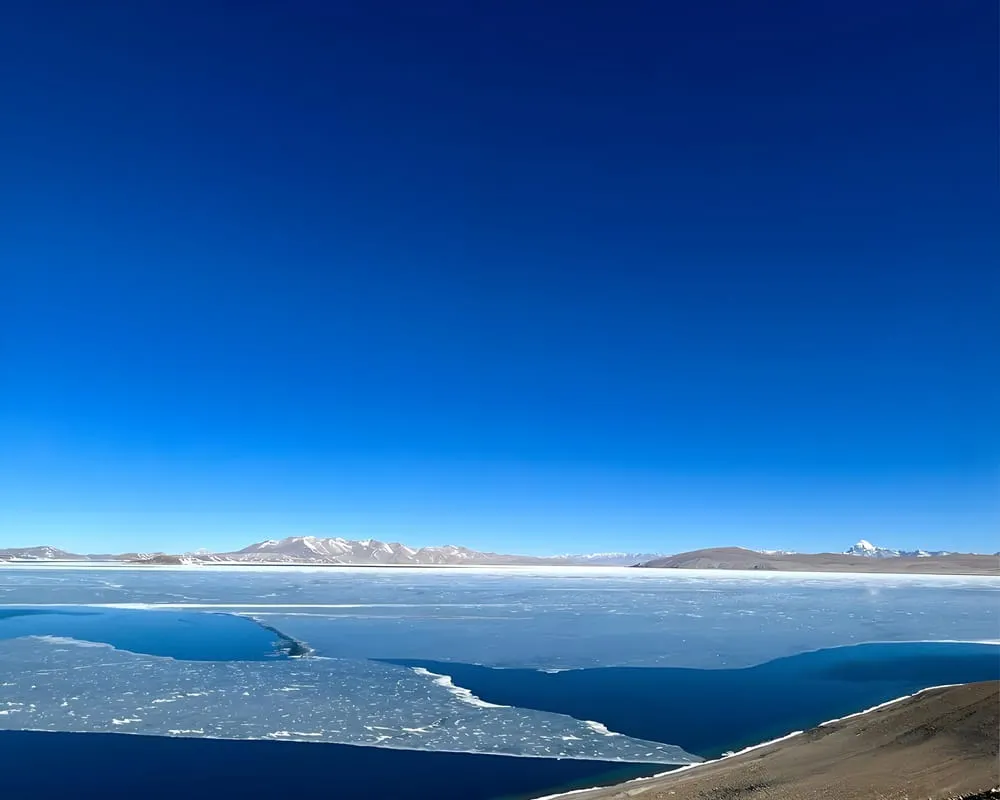
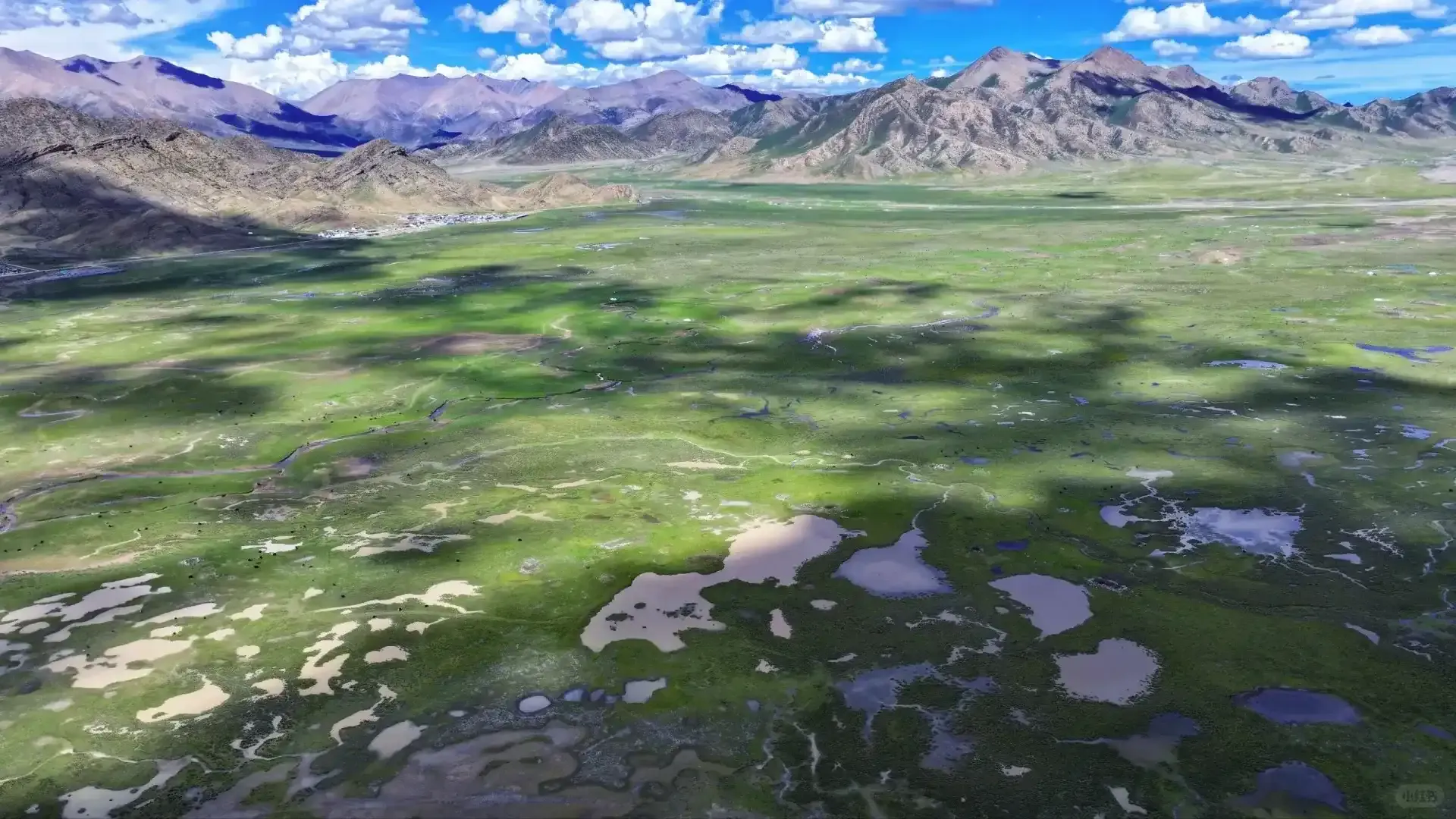
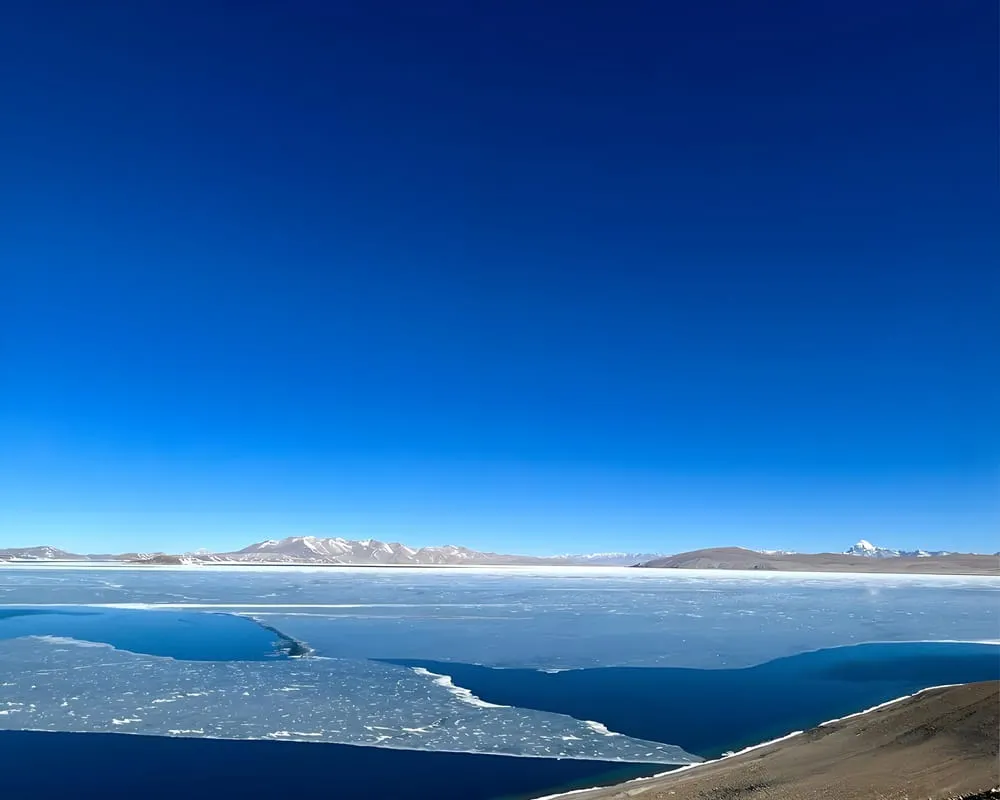
Enjoy the vast plateau scenery along the way. Then we'll arrive at Lake Manasarovar , gradually entering the embrace of the sacred Mount Kailash.
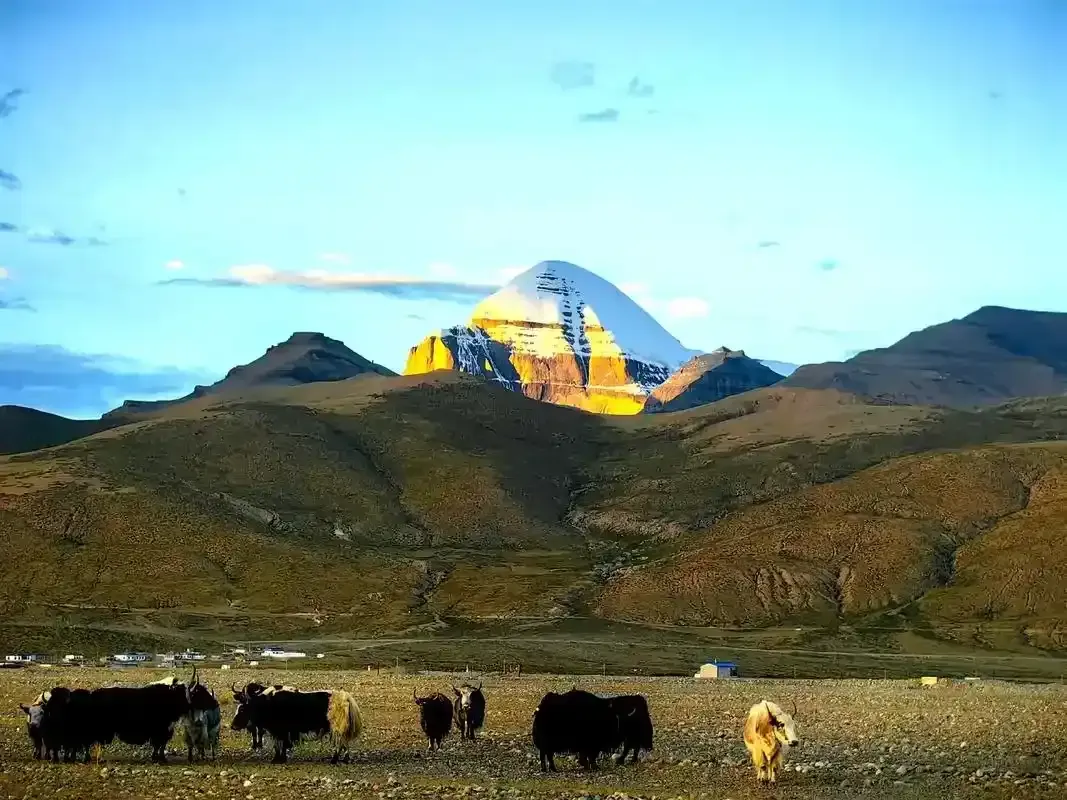
Mount Kailash
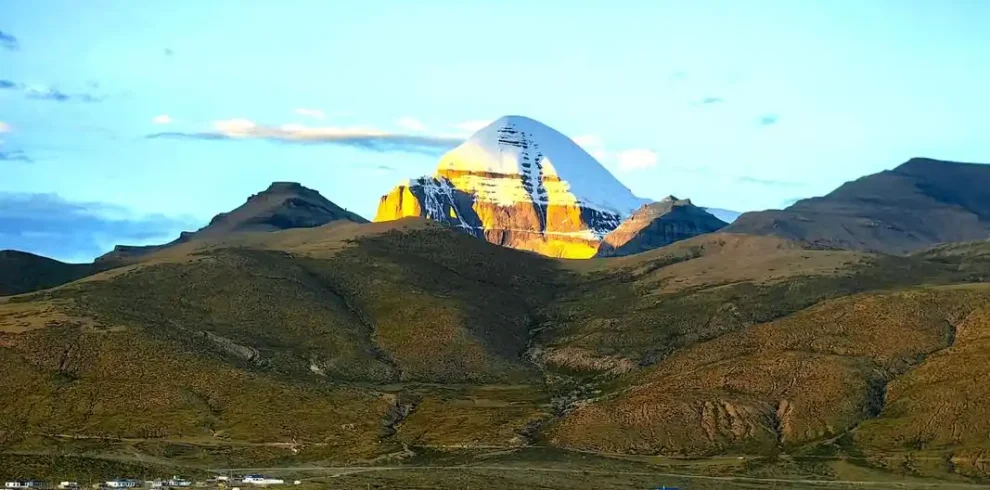
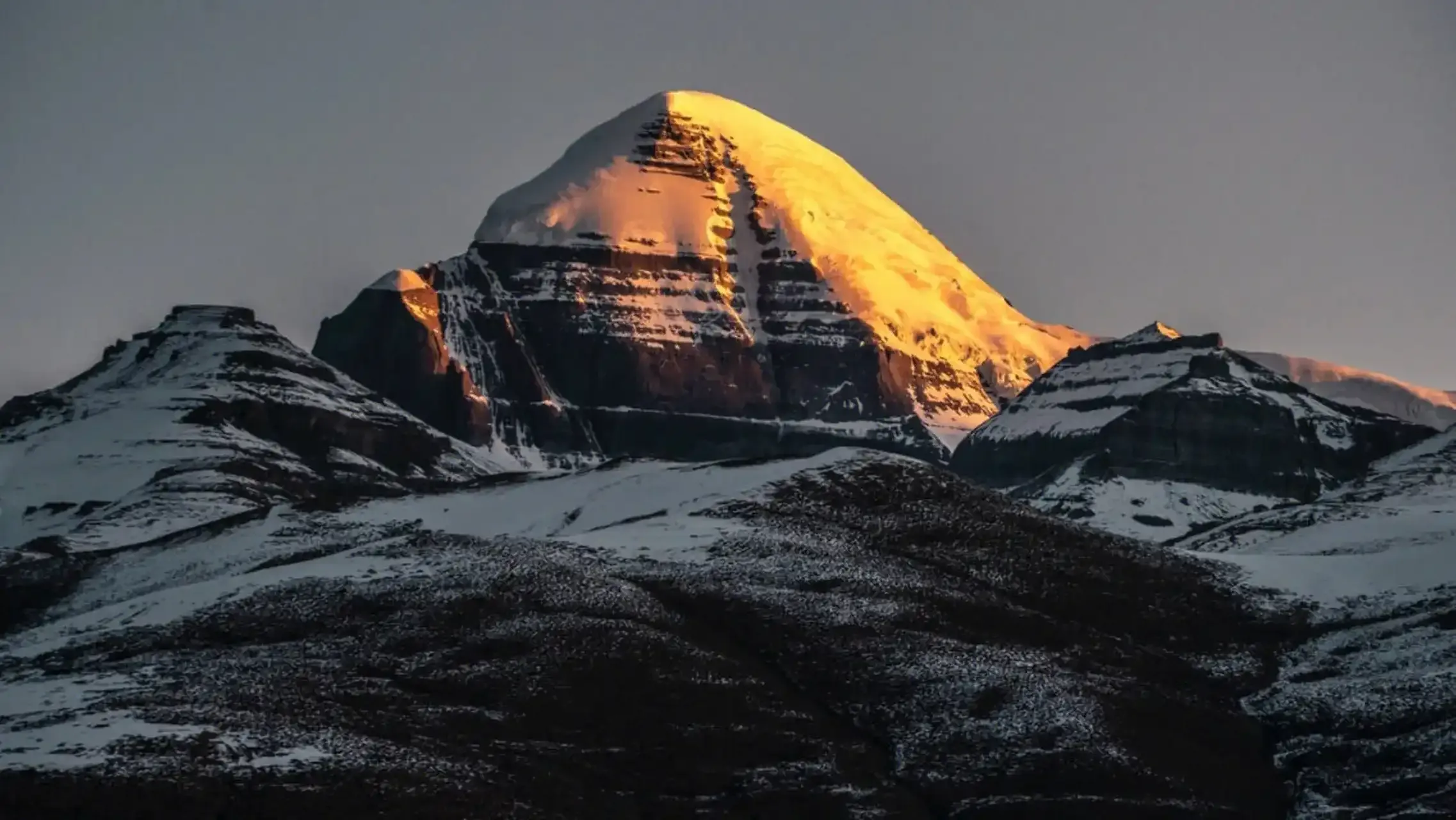
Mount Kailash, located in Purang County, Ngari Prefecture, Tibet, is the main peak of the Gangdise Mountains, with an altitude of 6,638 meters. It is a globally recognized sacred mountain, considered the center of the world by Hinduism, Tibetan Buddhism, the indigenous Tibetan religion Bon, and Jainism.
While not the highest peak in the region, Mount Kailash is unique in that its summit is perpetually snow-capped, shimmering with an eerie light under the sun.
Its distinctive shape sets it apart from the surrounding peaks, inspiring awe and reverence. Mount Kailash and Mount Namcha Barwa are 100 kilometers apart, facing each other across the water.
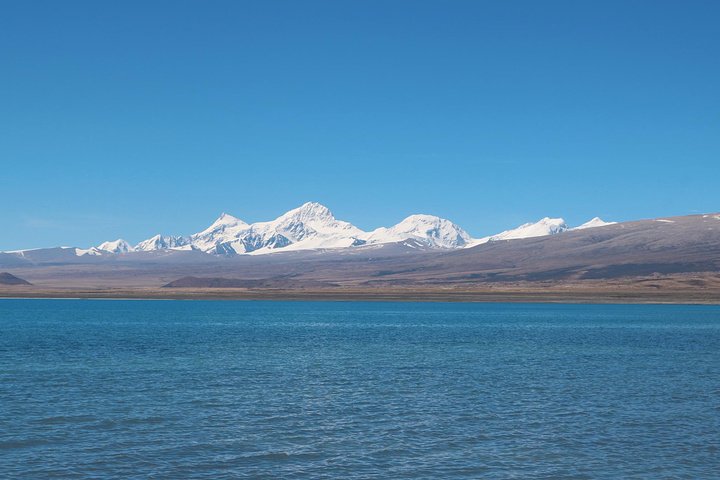
Between the two peaks lie the sacred Lake Manasarovar and the infamous Lake Rakshastal.
Meals: Self-provided
Accommodation: Zhire Temple/Gangga
Starting point: Darchen (elevation 4,675 meters)
End point: Zhire Temple/Gangjia (altitude 5,100 meters)
Distance: Approximately 20km; approximately 6km by eco-friendly bus to Prayer Flag Square (Daboche); approximately 14km on foot.
Hiking duration: Approximately 7-8 hours
Hiking difficulty level:
In the early morning, board an eco-friendly bus from Darchen to the prayer flag square, ready to trek around the mountain. Yaks and horses are available for visitors to experience, and porters are also available to help those with large luggage. Adjust your breathing, get ready, and begin your trek across this pristine land.
Ascending along the valley, blue skies and snow-capped mountains accompany you, with an occasional winding river flowing by, allowing you to experience the wonders of nature in the most authentic way.
Along the way, you will also see the west and north faces of Mount Kailash, one towering into the clouds, the other layered and endless.
During the winding journey, you will have a wonderful encounter with a mountain peak, experiencing diverse and unique perspectives and gaining a profound understanding.
After a 14-kilometer pilgrimage around the mountain, we arrived at Zhire Temple. Amidst the colorful prayer flags fluttering in the wind, we rested and fell asleep with a sense of piety and reverence for nature.
Important Tips:
The tour fee does not include horseback riding, yak riding, or the cost of hiring yaks or porters. These services will be charged separately if needed.
Accommodation and food during the trek are in poor condition. For the two nights during the pilgrimage, accommodation will be provided in local guesthouses (shared rooms, shared bathrooms, one bed per person).
Meals: Self-provided
Accommodation: Zunzhu Temple
Starting point: Zhire Temple/Gangjia (altitude 5,100 meters)
Crossing the mountain pass: Zhuomala (altitude 5,650 meters)
End point: Zunzhu Temple (Zuchu Temple) (altitude 4,880 meters)
Distance: Approximately 20km on foot
Hiking duration: 10-11 hours
Hiking difficulty level:
After a good night's rest, with plenty of energy, we'll begin a new day of trekking. Today we'll cross the highest point of this pilgrimage, the Drolma La Pass (5650 meters).
Colorful prayer flags flutter in the breeze at the Drolma La Pass, and below lies the beautiful Compassion Lake, a small lake like a piece of transparent white jade nestled among the majestic mountains.
After passing the Drolma La Pass, the trek begins, requiring significantly less physical exertion. We'll spend the night at the Zunzhu Temple guesthouse.
Along the way, you will inevitably encounter many devout Tibetans bowing in worship. The gravel rolling down the valley makes a rustling sound, making the journey somewhat difficult.
The so-called pilgrimage route is actually a trail of traces left by Tibetans with their bodies and feet on the ice and gravel, leading to holiness.
With the passage of time, the sacred path is slightly difficult to walk. You can stop at a local teahouse to rest and recuperate.
Meals: Self-provided
Accommodation: Zada
Starting point: Zunzhu Temple (altitude 4,880 meters)
Hiking endpoint: Dzongthu (4,680 meters above sea level)
End point: Darchen (4,675 meters above sea level)
Distance: 10.6km, approximately 6.6km on foot + 4km by eco-bus
Hiking duration: 2-3 hours
Hiking difficulty level:
On the third day of the pilgrimage, as the altitude decreased, the surrounding colors gradually changed from snow-white to emerald green, and small animals among the bushes became more active, creating an increasingly vibrant atmosphere of life.
Besides the animals, there were also piles of Mani stones, colorfully stacked among the snow-capped mountains and grasslands, like monks in deep prayer.
After completing the final 6.6 kilometers of trekking, it was midday. If you felt exhausted and hungry, you could take the eco-friendly bus back. After having lunch, you continued your journey to Zanda.
Meals: Self-provided
Accommodation: Darchen
Tholing Monastery
With a history of over 900 years, Toling Monastery was the first Buddhist temple built by the Guge Kingdom in the Ngari region. The monastery blends architectural styles with those of India, Kashmir, Ladakh, and Nepal in its Buddha statues. Over 100 stupa ruins can be seen around the monastery, and ancient murals are preserved inside, allowing one to imagine the splendor the monastery once possessed.
Guge Kingdom
Its predecessor can be traced back to the Zhangzhung Kingdom. The dynasty was established around the 9th century after the collapse of the Tubo Dynasty, which unified the Tibetan Plateau, and lasted until the 17th century, with 16 hereditary kings.
It was a local regime established by the descendants of the Tubo royal family in the Ngari region of western Tibet, and at its peak, its rule covered the entire Ngari area.
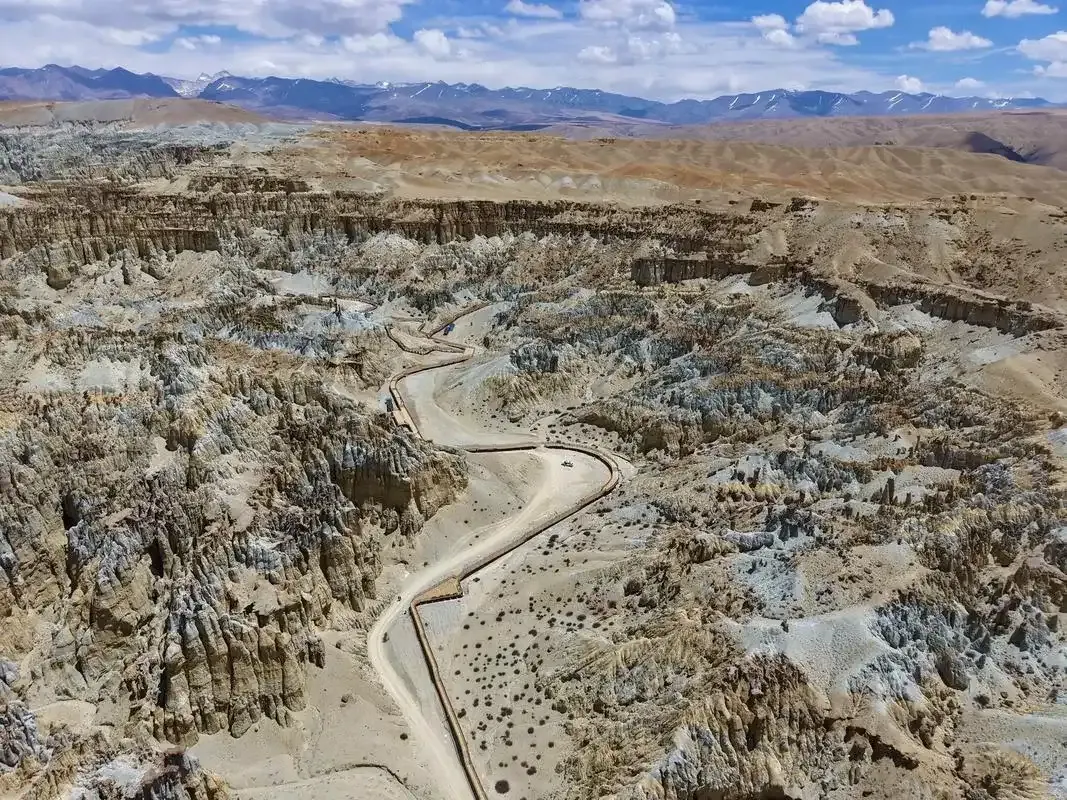
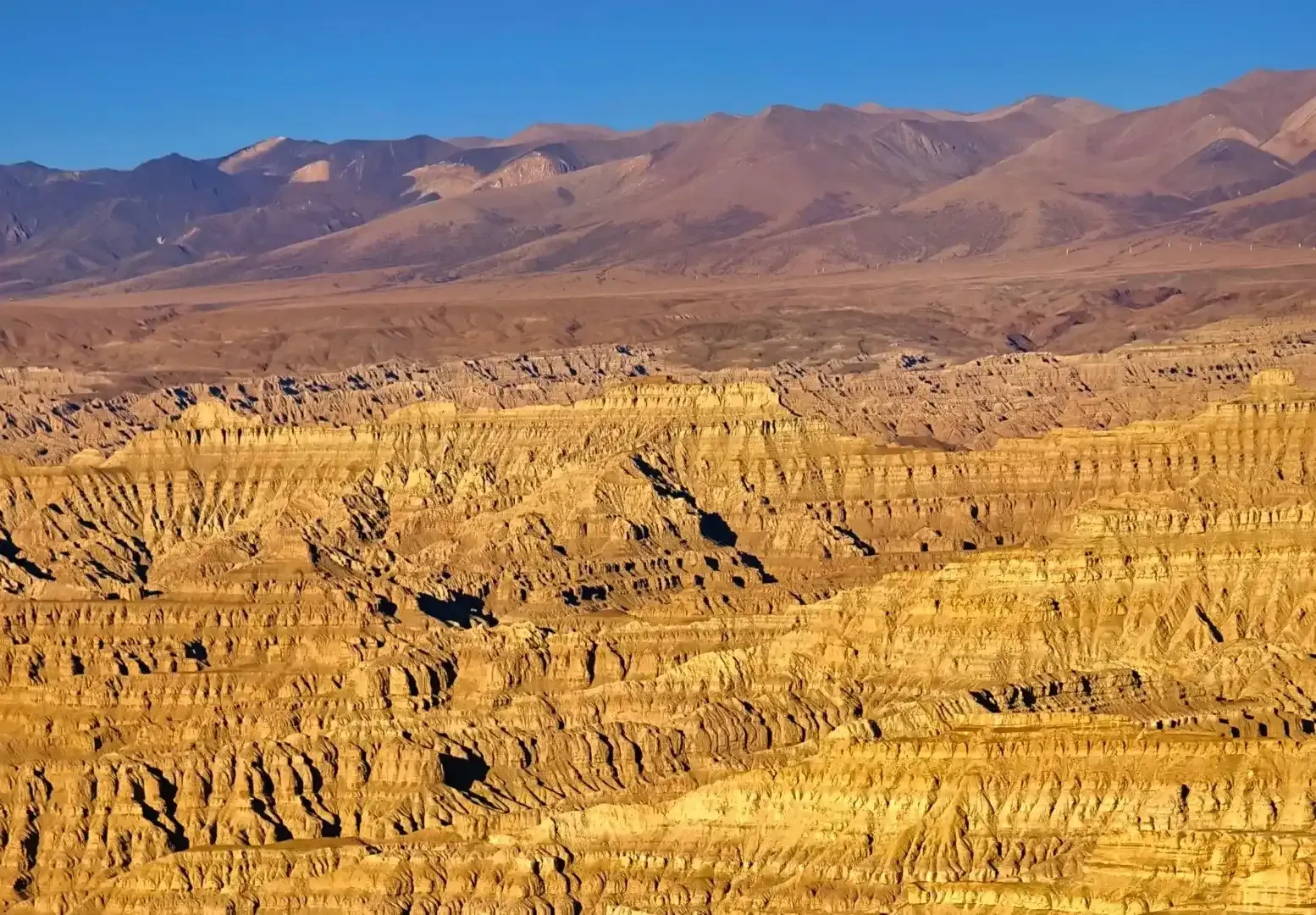
Zanda Earth Forest
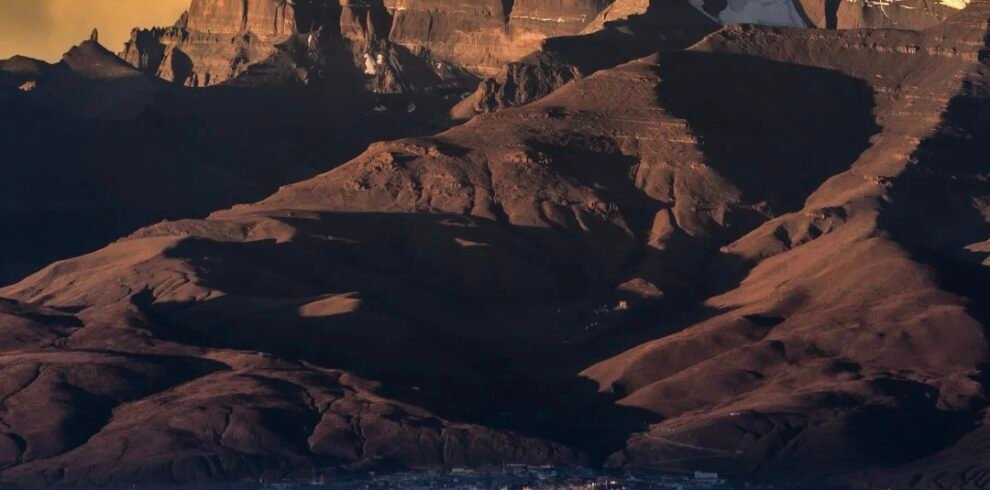
The earth forest landform is a major spectacle in Ali. It was formed by ancient orogenic movements, where lakebed sediments were eroded and carved by flowing water over a long period.
The "trees" in the earth forest vary in height, reaching tens of meters, and are diverse in shape and form, creating a unique and fascinating landscape. Driving through it feels like circling around the feet of numerous giants.
Meals: Self-provided
Accommodation: Saga
Saga is located in the northwest of Shigatse Prefecture, with a 105-kilometer-long border. National Highway 219 runs through the entire county, connecting it to Shigatse and Lhasa in the east, Ali and Purang in the west, and bordering Gyirong County and the Kingdom of Nepal in the south.
Saga is situated on the southwestern edge of the Himalayas and south of the Gangdise Mountains, in the upper reaches of the Yarlung Tsangpo River.
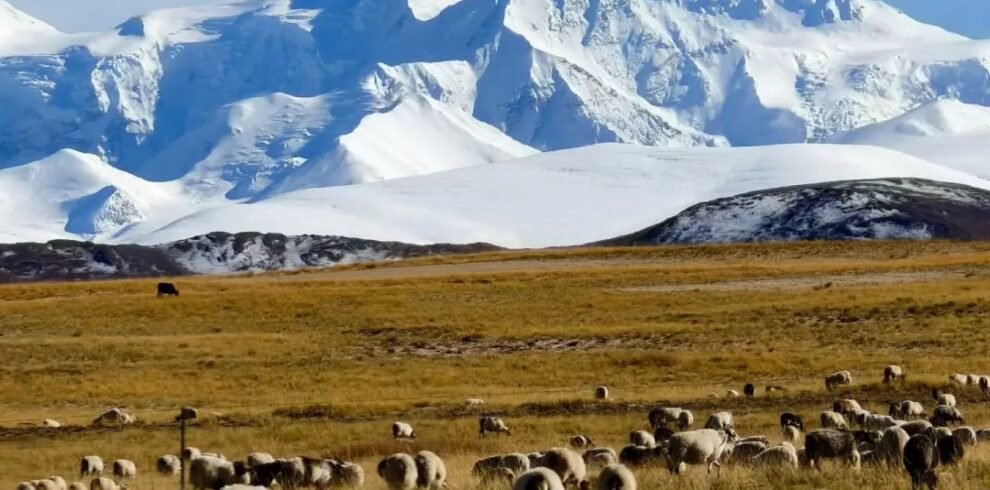
It boasts sacred mountains, holy lakes, vast grasslands, and herds of yaks, among other high-altitude landscapes. The county has an average altitude of over 4,600 meters.
A typical continental plateau climate: cold and harsh, with long winters and short summers, thin air, abundant sunshine, and large temperature differences between day and night.
Meals: Self-provided
Accommodation: Saga
We drove back to Sakya from Saga, enjoying the scenery along the way, and stayed overnight in Sakya. There were no special tourist attractions today; all the beauty was along the road.
Everywhere we looked, there were breathtaking views. We opened our eyes and hearts to embrace the gifts of nature.
Meals: Self-provided
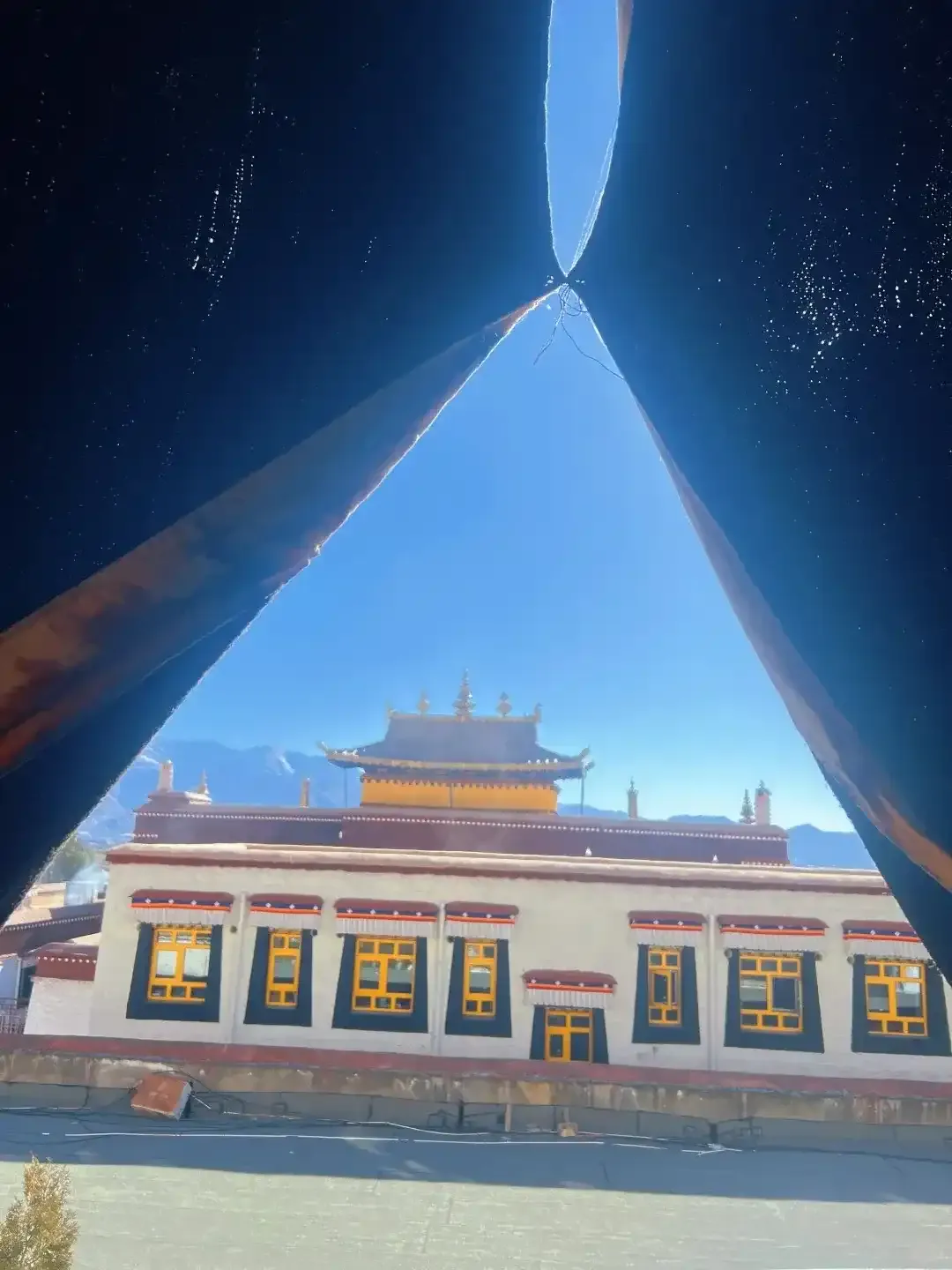
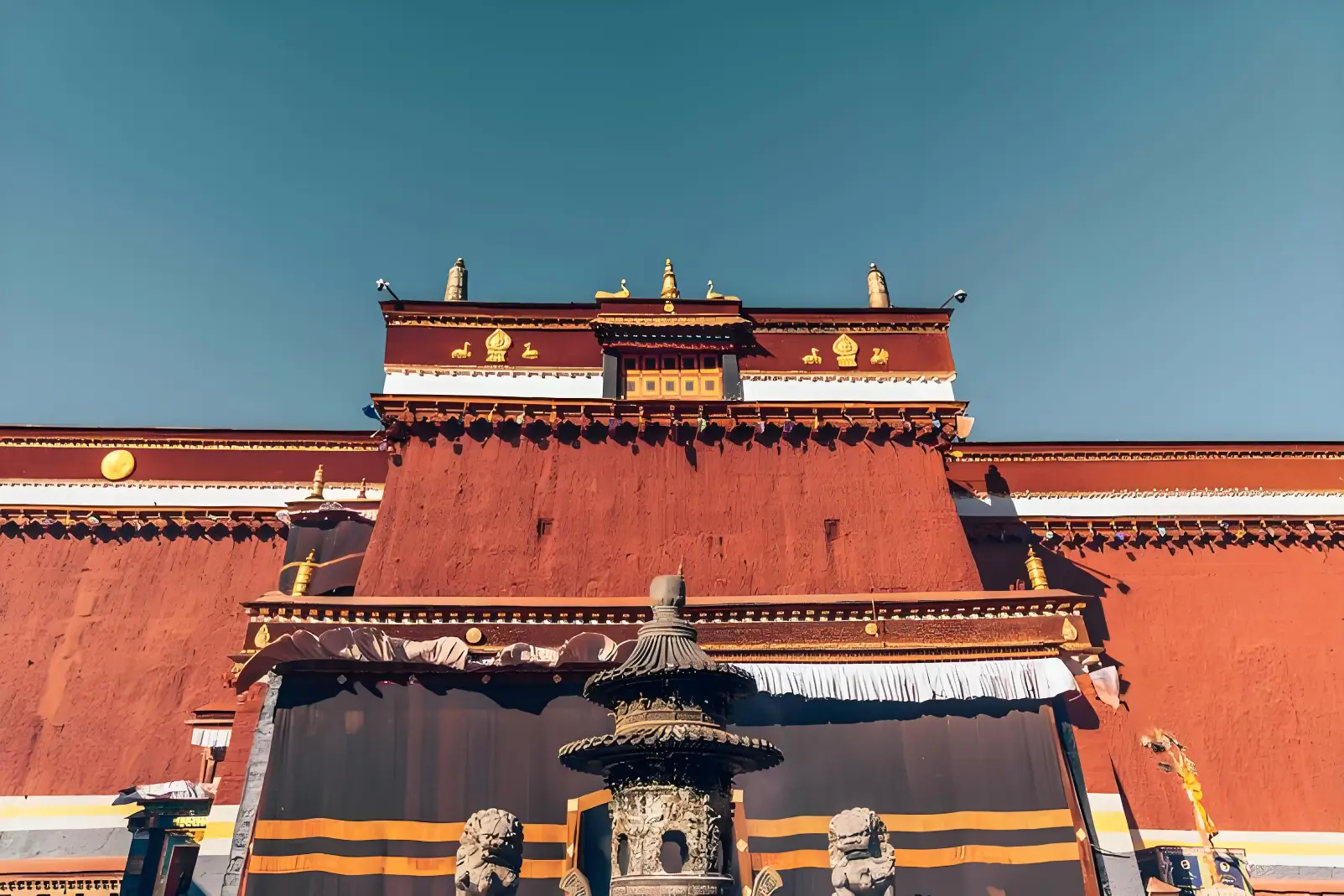
Sakya Monastery
Sakya Monastery is a Sakya school Tibetan Buddhist monastery and its main temple. It was designated a National Key Cultural Relics Protection Unit by the State Council in 1961. Sakya is divided into the North Monastery and the South Monastery.
The scripture wall behind the main hall houses an astonishing collection of tens of thousands of books, which are remarkably well-preserved within the monastery.
Sakya Monastery also boasts over 3,000 exquisite murals, covering a wide range of themes including religion, history, culture, and social life.
Meals: Breakfast included
Accommodation: Shigatse
Tashilhunpo Monastery (approximately 1 hour visit)
Tashilhunpo Monastery, also known as "Auspicious Mount Meru Monastery," is the largest monastery in the Shigatse region.
Along with Drepung, Sera, and Ganden Monasteries in Lhasa, is considered one of the six major monasteries of the Gelug school of Tibetan Buddhism.
It was initiated in 1447 by Gendun Drup, a disciple of Tsongkhapa, the First Dalai Lama.
At its peak, Tashilhunpo Monastery had over 3,000 rooms, more than 5,000 monks, over 50 subordinate monasteries, and over 30 estates and pastures.
From the Fourth Panchen Lama onwards, subsequent Panchen Lamas have resided at this monastery.
Today, Tashilhunpo Monastery comprises four colleges (Zhacang), 56 scripture halls, over 3,600 rooms, more than 800 monks, and covers a total area of 300,000 square meters.
Highlights of the trip:
1. Revered as the pride of Tsang, it is the residence of successive Panchen Lamas and the largest monastery in Tsang.
It is known as one of the four great monasteries of Tibet, along with the three major monasteries of Lhasa.
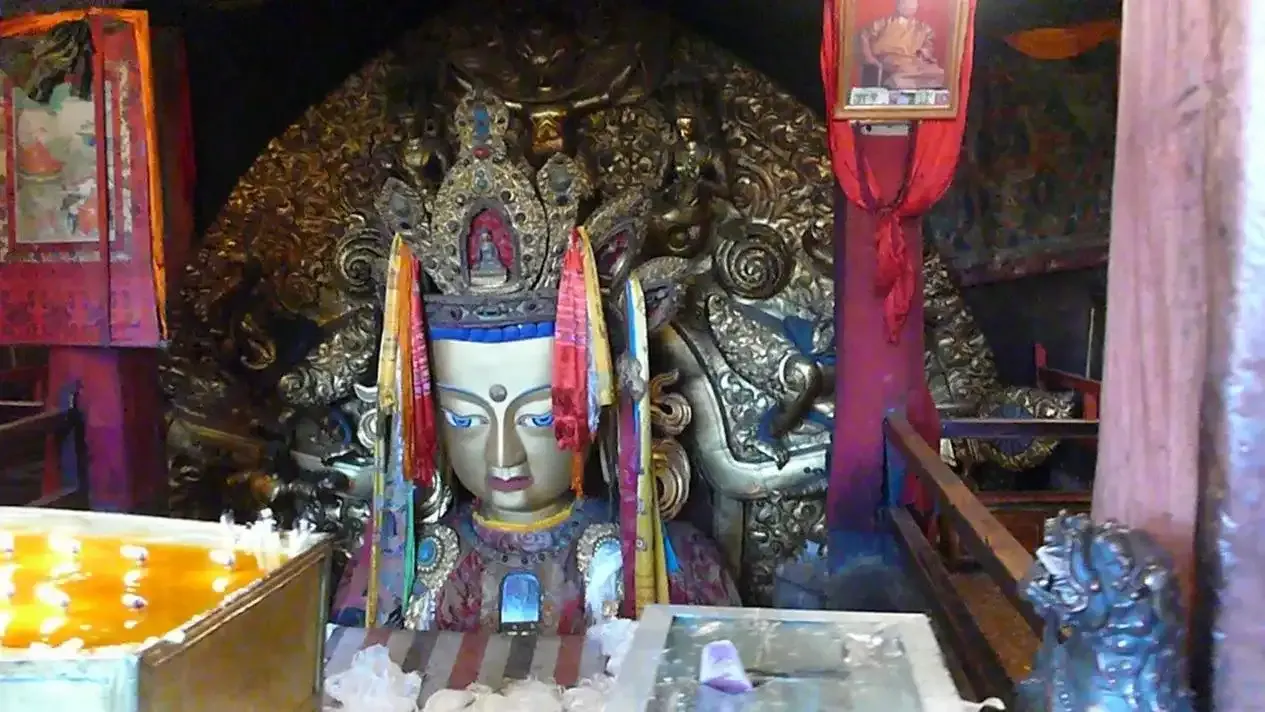
2. The Qiangba Buddha Hall houses a bronze Buddha statue, made of 231,400 catties of brass and 6,700 taels of gold.
The eyebrows of the Buddha statue alone were inlaid with more than 1,400 diamonds and pearls of various sizes.
3. The temple houses an exquisitely crafted stupa containing the relics of the Panchen Lama, made from countless materials including gold, silver, copper, silk, coral, pearls, agate, and turquoise.
Important Tips:
Returning to Lhasa from Shigatse on the same day will be by tourist bus or train, depending on the travel agency's arrangements.
We cannot accept specific requests. Thank you for your understanding.
Meals: Breakfast included
Accommodation: Return to your cozy home
After breakfast, airport or train station transfer will be arranged according to your flight schedule, concluding your pleasant trip.
The city center is about an hour's drive from the airport, so it is recommended to book a flight after 10:00 AM.
Include/Exclude
- Transportation: Licensed tourist vehicles ranging from 7 to 26 seats.
- Note: For groups of fewer than 4 people in Lhasa, local taxi transfers will be arranged and paid for by the agency.
- Accommodation: Standard shared double rooms (Twin-share).
- Note: Single king-size rooms are not guaranteed. Breakfast is not included for guests not occupying a bed.
- Meals: 7 breakfasts and 2 specialty dinners.
- Complimentary Bonus Meals: Local Lhasa specialty (Tibetan or Nepalese cuisine) and an Everest Base Camp Hotpot. (Non-refundable if skipped).
- Guide Services: Professional guides available in English, Chinese, or Bilingual (English-Chinese).
- Entrance Fees: Covers all major sites: Tibetan Culture Experience, Sera Monastery, Potala Palace, Jokhang Temple, Yamdrok Lake, Karola Glacier, Rongbuk Monastery, Mt. Everest (including the eco-shuttle bus), and Tashilhunpo Monastery.
- Travel Permits: Handling of all necessary documents, including the Tibet Travel Permit (TTP), Alien's Travel Permit (PSB), and Military Permits.
- Insurance Coverage: Comprehensive coverage including Travel Accident Insurance, Vehicle Seat Insurance, and Travel Agency Liability Insurance.
- Airport/Station Transfers: Complimentary pickup and drop-off service on the official start and end dates of the group tour.
- Added Value:
- One portable oxygen bottle per person.
- Two bottles of mineral water (300ml) per person, per day.
- One emergency medical oxygen tank (4L) equipped in the vehicle.
- Single Supplement: Prices are based on two people sharing a room. A surcharge applies for solo travelers requesting a private room.
- Room Forfeiture Fees: Due to full pre-payment of hotel bookings, any mid-trip itinerary changes resulting in room cancellations are the responsibility of the traveler.
- Personal Expenses: Laundry, telephone calls, faxes, pay-per-view TV, beverages, snacks, tobacco, alcohol, and other personal incidentals.
- Force Majeure & Emergencies: The agency reserves the right to cancel or modify the itinerary due to uncontrollable factors (natural disasters, war, strikes, pandemics), airline changes, or insufficient group numbers. Any resulting additional costs will be charged accordingly.
- Gratuities (Tipping): We recommend a tip of 30 RMB per person per day for the driver and the guide, respectively.
- Major Transport: Round-trip airfare or train tickets to and from Tibet are not included. We can assist with bookings for an additional service fee upon request.
Gallery
Related Tour